



The hardest part of a hospital stay is rarely the paperwork, but paperwork has a way of making everything harder. Arranging a large deposit at admission, collecting every bill and then waiting weeks for a refund adds strain at a time when your attention should be on the patient. Cashless claims change much of that process, from the moment you're admitted to the moment you leave, though they come with limits worth understanding first.
What a Cashless Claim Actually Means
In a cashless claim, your insurer settles admissible hospital expenses directly with the hospital, so you don't have to pay the covered amount first and claim it back later. This is generally available at hospitals in your insurer's network, which have agreed terms with the insurer or its third-party administrator (TPA).
The arrangement depends on having the right health insurance in place well before you need it. Cashless is a way of settling a claim, not a separate kind of cover. Your policy's sum insured, waiting periods, exclusions and sub-limits still decide how much the insurer pays.
What Happens at Admission
For a planned procedure, the hospital's insurance desk sends a pre-authorisation request to the insurer or TPA, usually a few days in advance, along with your policy details and the doctor's notes. For an emergency admission, the request is sent after you're admitted. You'll typically need your health card or policy number and a photo ID.
IRDAI's 2024 master circular requires insurers to decide on cashless authorisation requests within one hour. If approved, the hospital receives an authorised amount, and treatment goes ahead without you having to arrange the full estimated cost upfront. Some hospitals may still ask for a small deposit to cover items the policy won't pay for.
Read also: Company Maternity Cover vs Personal Pregnancy Insurance: Do You Need Both?
How It Changes the Hospital Stay Itself
Once a cashless health insurance claim is authorised, you and your family can focus on treatment rather than on paying bills as they arrive. If the treatment plan changes or the stay runs longer than expected, the hospital can request an enhancement to the authorised amount.
It also means fewer documents for you to manage. The hospital submits the bills, investigation reports and discharge summary directly. You'll still want copies for your records, especially if you need to claim expenses outside the cashless settlement, such as some pre-hospitalisation costs.
Discharge Without the Long Wait
Discharge delays have long been a common complaint. Under the same IRDAI circular, insurers must give final authorisation within three hours of receiving the hospital's discharge request. If there's a delay beyond that, any additional amount the hospital charges is to be borne by the insurer from its shareholders' funds.
At discharge, you pay only for items the insurer hasn't approved. That might include non-medical consumables, a co-payment, deductions linked to room rent limits or charges above a sub-limit. Ask the hospital for an itemised statement so you can see exactly what was deducted and why.
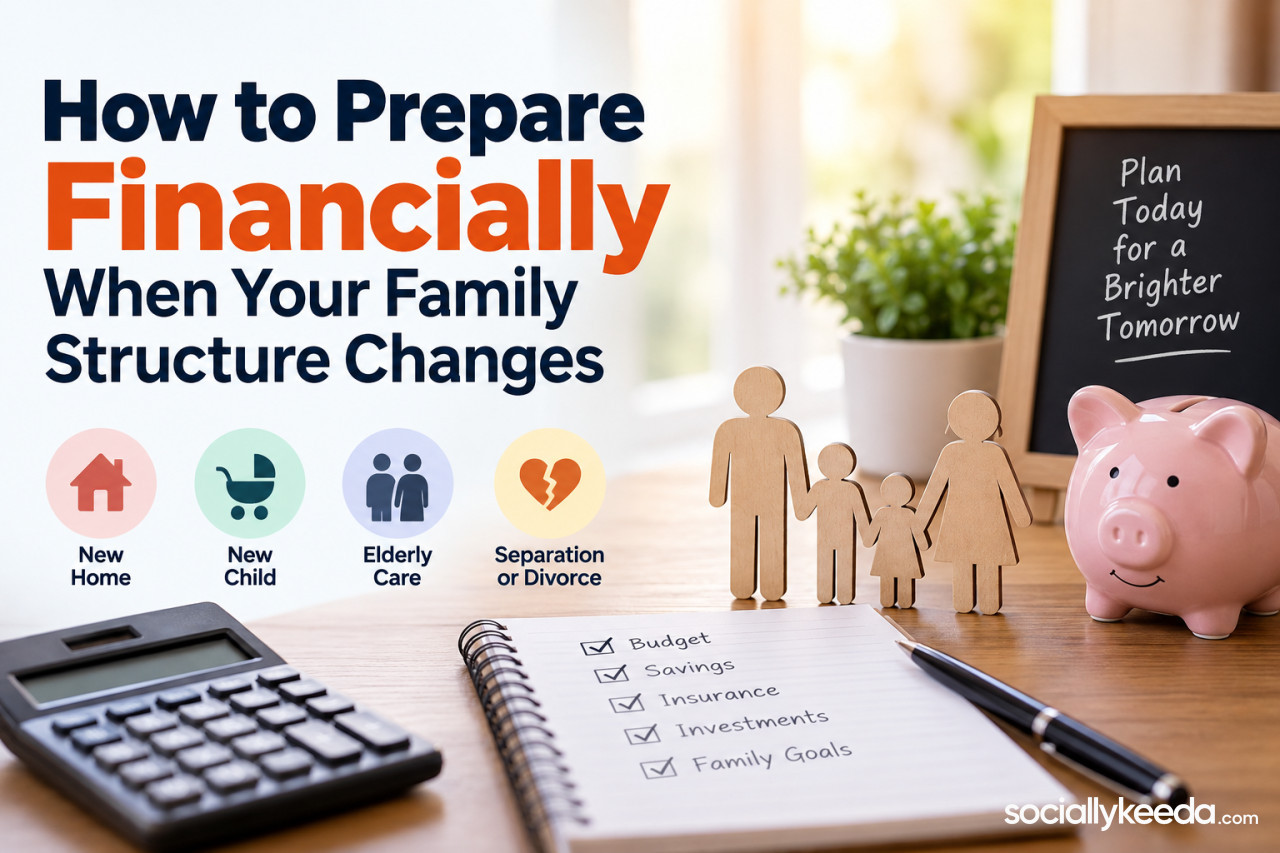
Read also: How to Prepare Financially When Your Family Structure Changes
What Cashless Doesn't Cover
Cashless settlement doesn't widen your cover. If a treatment falls within a waiting period, is excluded or exceeds your sum insured, you'll have to pay that part. The insurer can also decline the cashless request if the documents are incomplete or the claim needs closer review, in which case you can usually pay and apply for reimbursement.
Common reasons for out-of-pocket costs include choosing a room above your eligible category, treatment for a pre-existing disease still under waiting period, and procedures with fixed sub-limits. The sum insured is a ceiling, not a guaranteed payout.
Costs Before and After the Hospital Stay
Many policies also pay for medical expenses for a set number of days before admission and after discharge, such as diagnostic tests, consultations and medicines, as long as they relate to the same illness. These usually sit outside the cashless settlement, so you'll claim them as reimbursement.
Keep the original bills, prescriptions and reports, and file within the time limit your policy sets. The number of days covered varies between policies, so check the figures in your policy wording rather than assuming there's a standard period.
Network and Non-Network Hospitals
Cashless is most reliable at network hospitals, so check your insurer's list before you choose a policy, and again before a planned admission, because networks change. Under the General Insurance Council's Cashless Everywhere initiative, you may also be able to get cashless treatment at a non-network hospital if you inform the insurer at least 48 hours before a planned admission, or within 48 hours of an emergency one.
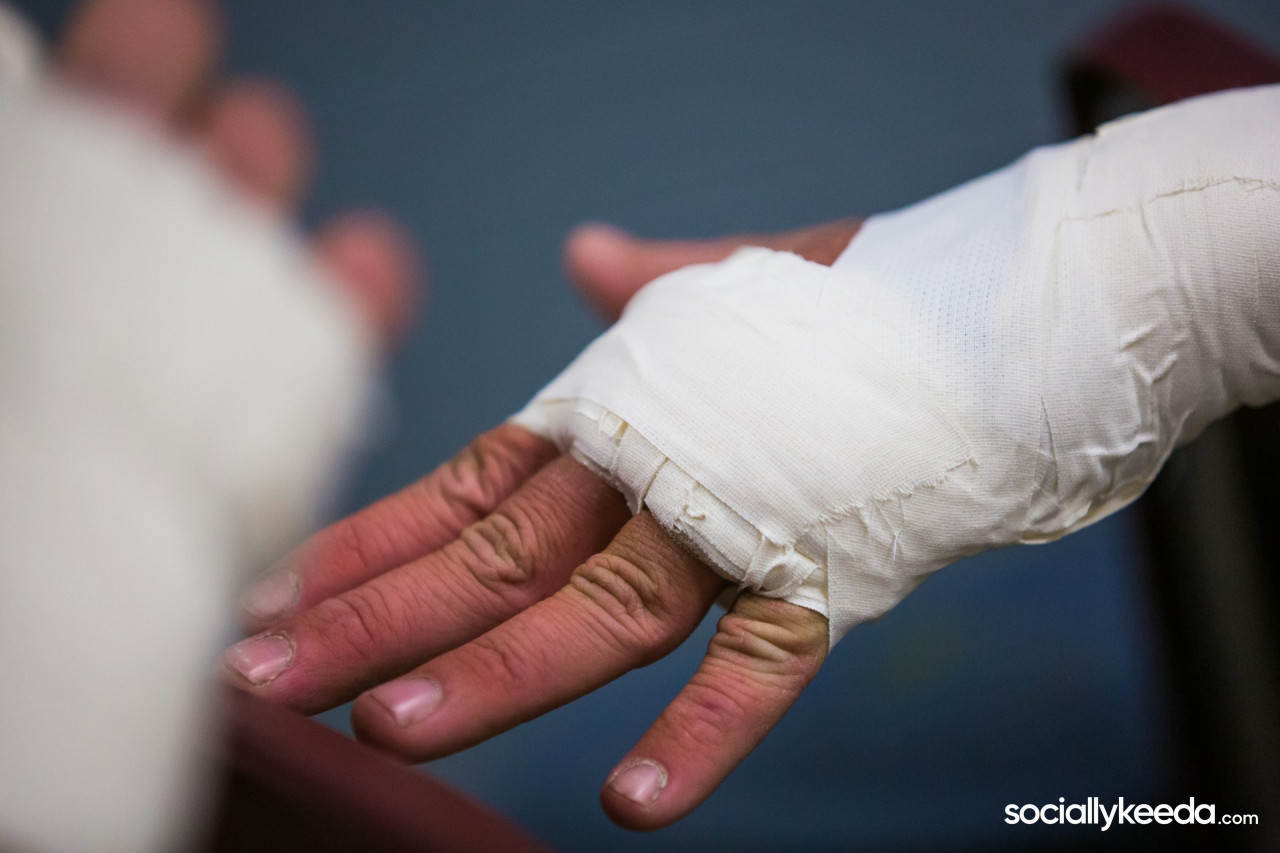
Read also: Common Reasons Injury Claims Get Denied and How to Respond
That facility depends on the hospital agreeing to the insurer's terms and the claim being admissible under your policy. Treat it as a useful backup rather than a guarantee, and keep reimbursement in mind as the fallback.
How to Make Your Next Admission Smoother
Keep your policy number, health card and insurer helpline saved on your phone and shared with a family member. For planned treatment, start the pre-authorisation process early and confirm the authorised amount before admission.
Read your policy wording and Customer Information Sheet so you know your room rent eligibility, co-payment and sub-limits in advance. Knowing those details beforehand avoids most of the surprises people meet at the billing counter.
Cashless claims won't make a hospital stay easy, but they can take a great deal of the money stress out of it. The more you know about your policy before admission, the more smoothly the process tends to run.




Comments
No comments yet — be the first to share your thoughts.