
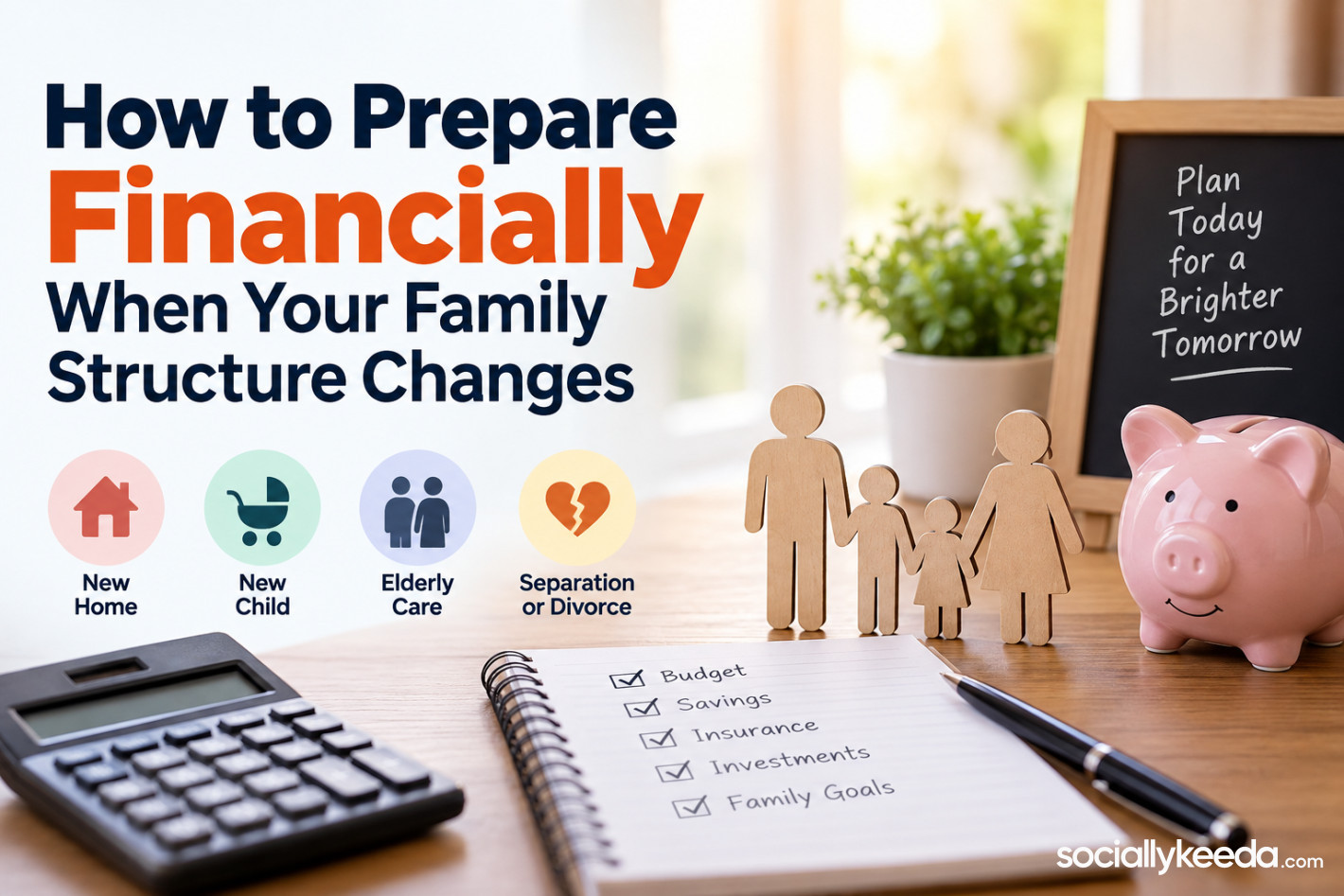
When family structures change, the household budget often fluctuates. Income levels, expenses, housing needs and financial responsibilities shift when couples separate, parents welcome a child through birth or adoption or family members provide care for an elderly relative. Predicting long term financial consequences remains difficult even when residents prepare for these transitions. Guardians and partners who review their accounts early simplify the transition and ensure they fulfill all financial obligations.
Comparing current bank statements with projected costs is an effective starting point. This evaluation includes total earnings, recurring utility bills, loan repayments, childcare fees, rent or mortgage payments and travel costs. Creating a thorough record of these figures allows residents to decide if their current spending plan remains sustainable or requires adjustments.
Review Household Income
Changes in family structure often modify the amount of money entering the home. One adult might stop working to provide care for a child, a separation may create two separate residences or a relative might start providing financial support. Understanding how these factors change total income helps establish realistic spending limits.
Evaluating if the household relies on the earnings of one adult is also helpful. If a single salary covers most essential costs, the household may require more protection against a sudden loss of that income. This period is a suitable time to examine savings, employee benefits, disability coverage and life insurance to ensure the protections match current needs.
Read also: Common Reasons Injury Claims Get Denied and How to Respond
Update the Budget
New family circumstances often create costs that were not in the previous plan. Expenses for childcare, education, medical needs, relative support, legal fees or a second home can quickly lower available cash. Creating a new budget based on current duties and expected costs is more effective than using an old plan.
Dividing essential costs from non essential spending shows where adjustments are possible. If costs are higher, identifying which expenses can be lowered without impacting necessities is helpful. If income is higher, avoiding immediate spending on new items is prudent. Allocating extra money toward savings or debt payment makes the household more stable.
Reassess Financial Protection
Changes in the number of dependents can make current financial protection insufficient. A new child, a dependent parent or a change in marital status may alter the amount of money a family requires if a primary earner stops providing support. Reviewing current insurance policies helps identify missing coverage or unnecessary costs.
Insurance reviews should account for current debts, future education costs, housing expenses and the amount of income the family needs to replace. Term life insurance is often useful because it provides coverage during years when financial duties are high. The best approach is based on specific circumstances, current coverage and long term goals.
Read also: Car Insurance Renewal: A Practical Guide to Staying Protected on the Road
Update Important Documents
Family changes affect the individuals named in financial and legal documents. Beneficiary designations on insurance policies and financial accounts require review after marriage, divorce or the birth of a child. Keeping these records accurate ensures that assets go to the intended recipients.
Wills and estate planning documents also require review when family structures change. Guardianship plans are necessary when children are present and powers of attorney ensure a trusted individual can manage finances if the account holder is unable to do so. Keeping these documents updated prevents future confusion.
Build a New Emergency Plan
Savings for emergencies are vital when family duties change. A household with more dependents may require a larger fund because unexpected costs have a greater impact on the budget. Assessing current savings helps determine if the amount is sufficient for the new situation.
Read also: Why a ₹10 Lakh Health Insurance Policy May Not Be Enough in 2026
Practical planning is also part of emergency preparation. All adults in the home should know the location of financial documents and understand how to pay essential bills. Discussing how to manage expenses if one adult is temporarily unavailable is beneficial. These discussions simplify financial decisions during difficult times.
Review the Plan Regularly
Financial plans require updates as time passes. Income, costs, dependents, housing and goals continue to change. Setting a regular schedule to review the budget, savings, debt and insurance keeps the plan accurate.
Financial preparation for a family change creates stability. Reviewing income, adjusting costs and updating documents allows families to manage transitions with confidence. A flexible plan is a strong foundation for the next stage of life.