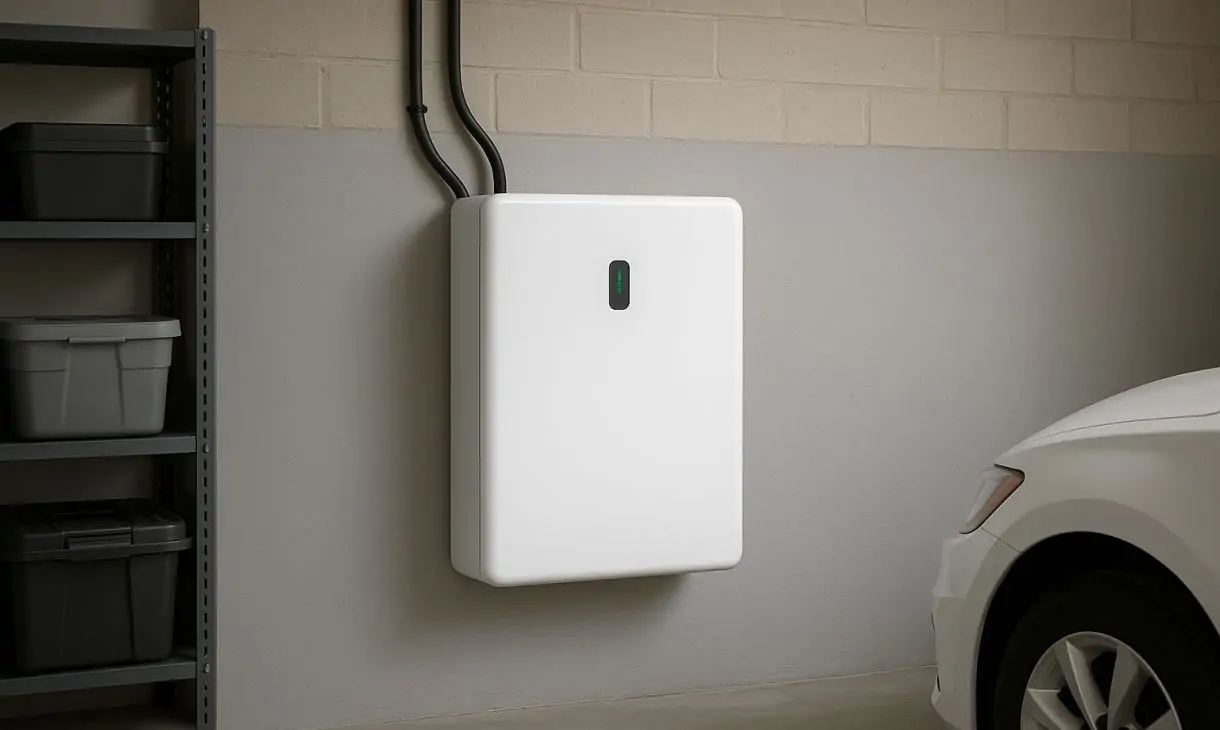
Residential battery storage systems are becoming increasingly popular as homeowners look to save on electricity bills, increase energy independence, and improve resilience during outages. But before you install one, there are critical factors you need to evaluate to ensure the investment makes sense for your home and lifestyle. This in-depth guide explores the most important considerations, with practical insights and real-world scenarios, to help you make an informed decision.
1. Understand Your Energy Usage
The first step is to evaluate how much electricity your household consumes on a daily and seasonal basis. Review your utility bills to understand:
-
Average monthly usage (kWh).
-
Peak consumption times (morning vs evening).
-
Seasonal changes (higher in summer or winter?).
Why it matters:
Sizing your battery system correctly ensures you get the right balance between cost and utility. An oversized system can cost thousands more than you need, while an undersized system may leave you frustrated when it fails to provide the backup or savings you expected. For example, a family running air conditioning, electric cooking, and multiple EVs may require far more storage than a household that mainly uses energy-efficient appliances.
2. Compatibility with Solar Panels
Most home battery storage systems are paired with solar photovoltaic (PV) panels. Check whether:
-
You already have solar panels installed.
-
Your existing inverter is compatible with a battery system.
-
You need a hybrid inverter or additional equipment.
Why it matters:
Solar panels plus storage offer the highest return on investment by letting you use clean energy day and night. Without solar, you can still use BESS to store off-peak grid power, but the long-term savings may be limited. For homeowners with older solar systems, adding a battery may also require upgrading components, which adds to the total cost but can enhance efficiency overall.
3. Battery Size and Capacity
Capacity (measured in kilowatt-hours, or kWh) determines how much energy your battery can store. Consider:
-
Do you want backup for essentials only (fridge, lights, Wi-Fi) or whole-home coverage?
-
How long do you want the system to last during an outage?
-
Do you plan to add more storage in the future?
Why it matters:
Battery sizing directly affects performance. A 10 kWh system might power basic appliances for a day, while a 20+ kWh system could handle near-whole-home coverage. Think about your priorities: Do you want uninterrupted comfort during outages, or are you primarily focused on lowering electricity bills? The answer will guide your choice.
4. Costs and Financial Incentives
Battery systems can cost anywhere from $5,000 to $20,000+ depending on size, brand, and installation. Important considerations:
-
Upfront equipment and installation costs.
-
Federal or state incentives, rebates, and tax credits.
-
Utility programs like virtual power plants (VPPs), which allow you to sell excess power back to the grid.
Why it matters:
Incentives can cut thousands off the total cost and shorten payback periods from over a decade to just 5–7 years. Beyond ROI, installing a battery can protect you from rising energy prices and increase your home’s resale value. Forward-thinking homeowners view this not just as an expense but as a long-term energy investment.
5. Battery Chemistry and Lifespan
Different battery chemistries offer unique advantages:
-
Lithium-ion (most common): Long lifespan, high efficiency, compact size.
-
Lead-acid: Cheaper upfront but shorter lifespan and lower efficiency.
-
Flow batteries: An emerging option with long cycle life and scalability, though still expensive.
Why it matters:
Battery chemistry impacts safety, performance, and lifespan. Lithium-ion systems often last 10–15 years with warranties covering thousands of cycles. If you plan on staying in your home long term, investing in higher-quality chemistry ensures better returns and reliability.
6. Safety and Installation Requirements
Home battery systems are generally safe but must be installed correctly. Consider:
-
Location: Garage, basement, or outdoor enclosure.
-
Ventilation and cooling requirements.
-
Compliance with local codes and fire safety standards.
Why it matters:
Improper installation can lead to reduced efficiency, voided warranties, or in rare cases, fire hazards. Certified installers ensure your system meets regulations and operates safely. Safety is not an area to cut corners—your family’s well-being and the longevity of your investment depend on it.
7. Backup Power Needs
Not all systems provide the same level of backup power. Decide:
-
Do you need backup for essential loads (refrigerator, lights, communications) or full-house coverage?
-
How frequent and long are outages in your area?
-
Do you need integration with a generator for extended outages?
Why it matters:
If you live in a storm-prone area, prioritizing backup power can prevent costly disruptions and provide peace of mind. For example, rural households may need larger systems or generator integration, while urban homes with fewer outages may be fine with smaller setups.
8. Maintenance and Monitoring
Modern battery systems require little physical maintenance, but monitoring is key:
-
Software apps track charging, discharging, and system health.
-
Firmware updates improve performance and extend lifespan.
-
Annual professional inspections are sometimes recommended.
Why it matters:
Consistent monitoring ensures your system is performing as promised. Without oversight, you may miss signs of underperformance or reduced efficiency that affect savings. Think of monitoring as preventive maintenance for your home’s energy security.
9. Long-Term Value and ROI
Your ROI depends on multiple variables:
-
Local electricity prices and rate structures.
-
Available incentives and rebates.
-
How efficiently the system is used.
Why it matters:
Beyond the dollars, ROI includes intangible benefits: peace of mind during outages, reduced reliance on fossil fuels, and the satisfaction of contributing to sustainability. These factors add value even if the financial payback period is longer than expected.
10. Local Regulations and Permits
Installing a home battery often requires permits and inspections. Homeowners should check:
Why it matters:
Overlooking regulatory requirements can cause costly delays or prevent your system from operating legally. Ensuring compliance also safeguards warranty coverage and insurance claims.
FAQs
Q: Can I install a home battery without solar panels?
A: Yes, but the ROI is generally longer since you’re storing grid power rather than renewable energy.
Q: How long will a typical home battery last during an outage?
A: Depending on capacity and usage, anywhere from 6 hours to several days if paired with solar.
Q: Do home batteries increase property value?
A: Yes. Energy-efficient homes with solar + storage often attract higher resale value and faster sales.
Q: Do I need professional installation?
A: Absolutely. DIY installation can be dangerous and may void warranties or incentives.
Conclusion
Installing a home battery storage system is more than just a purchase—it’s a strategic investment in your energy independence, resilience, and sustainability. By carefully considering factors such as usage patterns, costs, safety, capacity, and regulations, you’ll ensure your system delivers maximum benefits for years to come.