


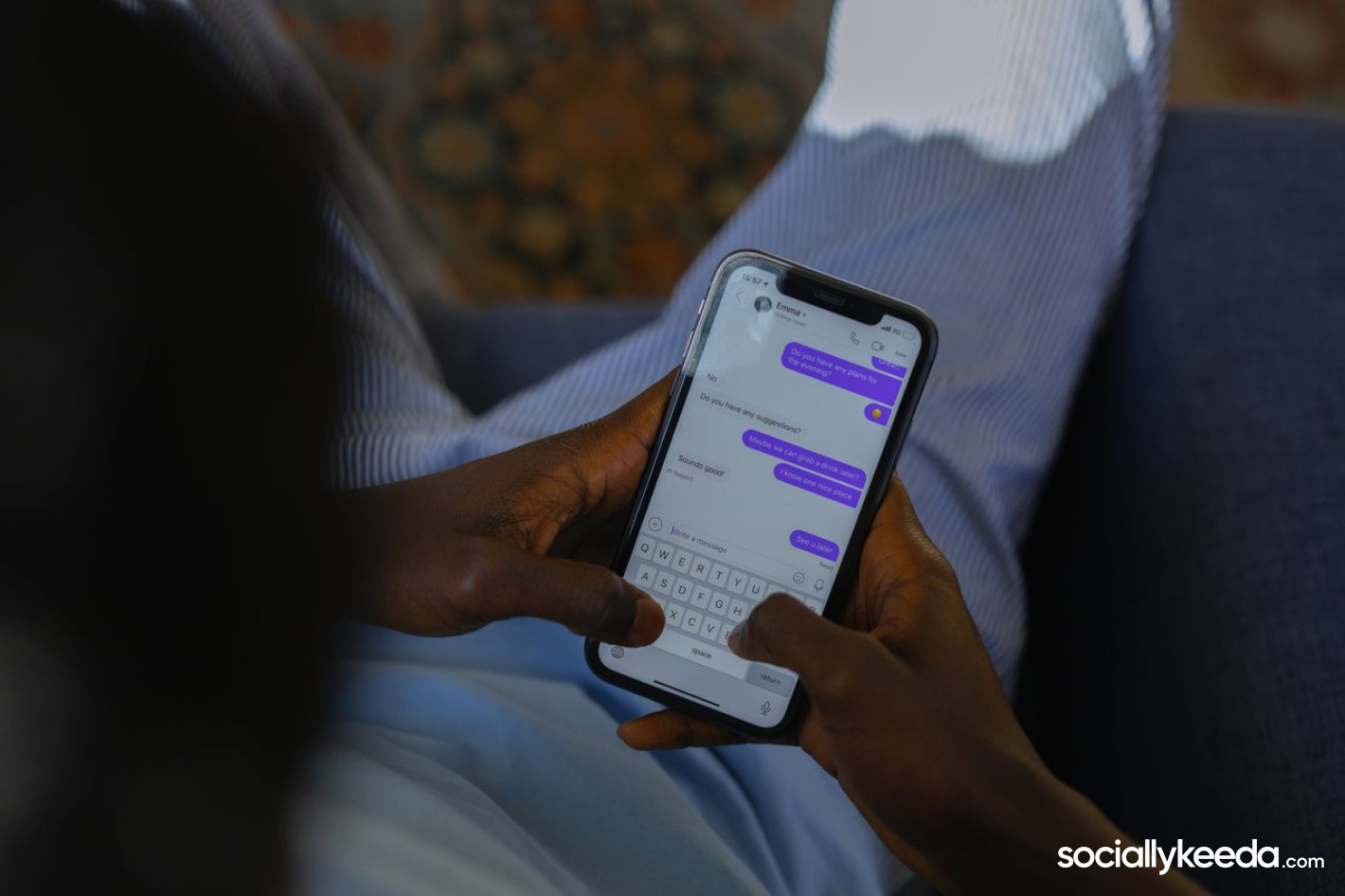
Online chatting, flirting and meeting new friends is common these days. Millions of adults do it daily. However, every chat, profile and photo creates a history. And that history can expose you to:
-
Scams
-
Blackmail
-
Stolen identities
Here's the problem:
The average person doesn't think about privacy until it's too late.
The good news? There are a few easy habits that can keep you safe. They cost nothing, take only seconds and anyone can do them.
Let's jump in...
Inside this guide:
-
Why Online Privacy Matters More Than Ever
-
7 Privacy Habits To Start Today
-
What To Do If Something Goes Wrong
Why Online Privacy Matters More Than Ever
Socialising on the internet is huge right now. People talk to each other on dating apps, forums, game servers and group chats. Many adults love having anonymous places to just talk.
But scammers know this too.
The FTC says romance scam losses rose 22% to $1.48 billion in 2025. That's about $2,020 per victim. Scammers take the slow approach. They earn your trust over time, and then one day the conversation turns financial.
And it doesn't stop there...
The FBI also got over 75,000 reports of sextortion last year. Sextortion happens when someone extorts you by saying they’ll share personal images or conversations unless you pay them money.
Scary stuff, right?
The best defence is taking precautions before you even begin chatting -- not afterward. If you meet people through dating apps, social media or anonymous adult chat rooms, the same rule holds true for every conversation with a stranger. The less information you give away, the less others can use to take advantage of you. Anonymous sex chats can be liberating and enjoyable, as long as you maintain control of your username, photos and what you share.
Read also: 5 Foods To Spice Up Your Love Life
7 Privacy Habits Every Adult Should Follow
Read through each habit and pick the ones you're not doing yet. It really is that simple.
1. Use A Separate Username And Email
Your username is the first thing people see. Don't make it easy for them.
Never post with your real name, your birthdate or a screen name you have used on another website. Why, you ask? Because anyone can look up that screen name and find all your other accounts in seconds.
Use a separate email address specifically for chatting and dating. If a site is hacked, hackers won't have access to your regular inbox. It only takes 5x minutes and will save you countless headaches in the future.
2. Lock Down Your Passwords
Here's the thing...
Weak passwords leave you vulnerable. Reusing the same password is even more dangerous. Once it's exposed from one site, criminals will try it on your other accounts too.
Have a unique password for each site. A password manager can help with this -- it can remember all your passwords for you. Next enable two-factor authentication (2FA) everywhere possible. Even if your password gets hacked, criminals still can't access your account.
3. Think Before You Share Photos
Photos say a lot more than you think.
Selfies can depict your neighbourhood, your car, your job or even your view. Lots of pictures also contain secret information (EXIF data) that pinpoints where they were taken.
Before you send a photo, ask yourself:
-
Would you be okay if this ended up online?
-
Does the background give away where you live?
-
Have you removed the location data?
Read also: How to get rid of deer
If the answer to any of these is "no"... Don't send it. Simple.
4. Keep Personal Details Vague
It's easy to overshare when you're in a good conversation. You feel bonded and want to share more.
But slow down.
Hide your last name, address, work and schedule. At least until you meet in public and trust each other substantially. Strangers can figure out who you are by little details. Where you work out, your favourite bar, that coffee shop you hit every day...
It all adds up.
5. Check Your Privacy Settings
Most apps share far more than you realise by default.
A Pew study showed that 56% frequently click "agree" without reading privacy policies. So most people don't know what they agreed to.
Spend 10x minutes in the settings of each app you use. Disable location sharing. Make your friends list private. Restrict who can view your profile and posts. Do this once, but then check them again every few months -- the privacy settings are always changing.
6. Spot The Red Flags Early
Scammers follow a script. Once you know it, they're easy to spot.
Watch out for anyone who:
-
Moves the chat to another app straight away
-
Always has an excuse not to video call
-
Says "I love you" really fast
-
Asks for money, gift cards or crypto
-
Pushes hard for private photos
Nearly all scams contain at least one of these. Spot one? Stop. Step back.
Read also: Recreate a Viral Activity Without Copying Its Hidden Work
7. Use A VPN On Public Wi-Fi
Typing away at the café or airport? If you're using public Wi-Fi, it's likely not secure. Others on your network could potentially see what you're doing.
A VPN (virtual private network) masks your connection and secures your browsing activity. It also masks your IP address, which can give away your general location. There are many great VPNs that are less than the price of a cup of coffee per month.
Small cost. Big protection.
What To Do If Something Goes Wrong
Careful people get caught too. Seriously. It happens. If you find yourself in that situation, don't freak out.
Here's what you need to do...
-
Stop talking to the person right away
-
Don't send any more money or photos
-
Screenshot everything -- messages, profiles and usernames
-
Report the account to the platform
-
Report the scam to the FTC or the FBI's IC3
Change your passwords and monitor your bank accounts. Also report it to your local police if someone is threatening you. You are the victim and there are people who can help you.
Staying Social (And Safe)
Socialising online should be enjoyable -- not anxiety-inducing. And it can be with these healthy habits. Have a separate username/email, secure passwords with 2FA and be careful with photos. Keep personal information vague, set strict privacy settings and know the warning signs. Use a VPN on public Wi-Fi for another layer of security.
None of these habits are time-consuming. Choose one or two today, and implement the rest throughout the week.
Stay curious, stay social... and stay private.
Frequently Asked Questions
How do you know if you're talking to a scammer?
Watch for the classic signs. They don't want to do video chat, they escalate quickly and sooner or later they ask for money or nude photos. Trust your instincts. If it seems too good to be true, it probably is.
Should you use your real name on chat sites?
No. Choose a nickname that doesn't match any of your existing accounts. This prevents others from discovering your social media and personal information.





Comments
No comments yet — be the first to share your thoughts.