



The satisfying part of a craft clip may last eight seconds: a clean reveal, a row of finished objects, and a table that somehow stays spotless. The preparation could have occupied an afternoon. A viewer planning the same activity with friends has to recover the missing time from a video designed to remove it.
Start by treating the clip as an invitation to investigate. Before ordering supplies, write down what everyone would actually do from arrival to departure. This simple reconstruction often changes the activity you choose. You may keep the appealing idea while replacing the equipment, shortening the project, or dropping the filmed reveal entirely.
Find the Work Hidden Between the Cuts
Watch for changes that imply an unseen task. A wet surface becomes dry. Loose materials become measured portions. A cluttered table becomes clear before the next stage begins. None of these transitions is necessarily misleading; editing makes a video watchable. They still represent work your group will have to accommodate.
Pause at each transition and name the missing action in ordinary language. Someone has to wash the container, prepare another batch, or wait for the material to set. If you cannot identify the action confidently, leave a question beside it. A question is a reason to find fuller instructions, not permission to guess at a process involving heat, chemicals, or unfamiliar tools.
The friends-activity planner at Palaura offers a useful comparison because its written plans include materials and a rough cost. You can compare the clip's attractive moment with an activity whose setup is easier to inspect. The choice may still be the filmed project, but it should survive a complete description of the work.
Read also: World Day against Child Labour 2027 Theme, Quotes, Poster, Wishes, Images, and Drawing
When comparing a Palaura plan with a filmed project, also distinguish the person demonstrating from the people participating. One practiced creator may repeat a motion neatly while several beginners need space and time to learn it. A video showing one finished item does not establish how quickly six people can finish six items with one tool.
Build a Small Trial Around the Bottleneck
A trial should target the step most likely to delay everyone. If the activity requires a shared cutter, test the cutting stage. If it depends on drying, find the product's actual instructions and allow the specified conditions. Making a decorative sample while ignoring the slow step will tell you very little about the gathering.
Use what you already have where the instructions permit it. The purpose is to learn whether the task is workable, not to assemble a complete matching set before anyone has tried it. Keep track of what the trial consumes and which parts can be used again. A tool that survives is different from a material that disappears with every attempt. Run the slow step a second time using the same equipment. Clearing scraps, wiping a surface, or replacing a used sheet belongs in the estimate if the next participant cannot begin until it is done.
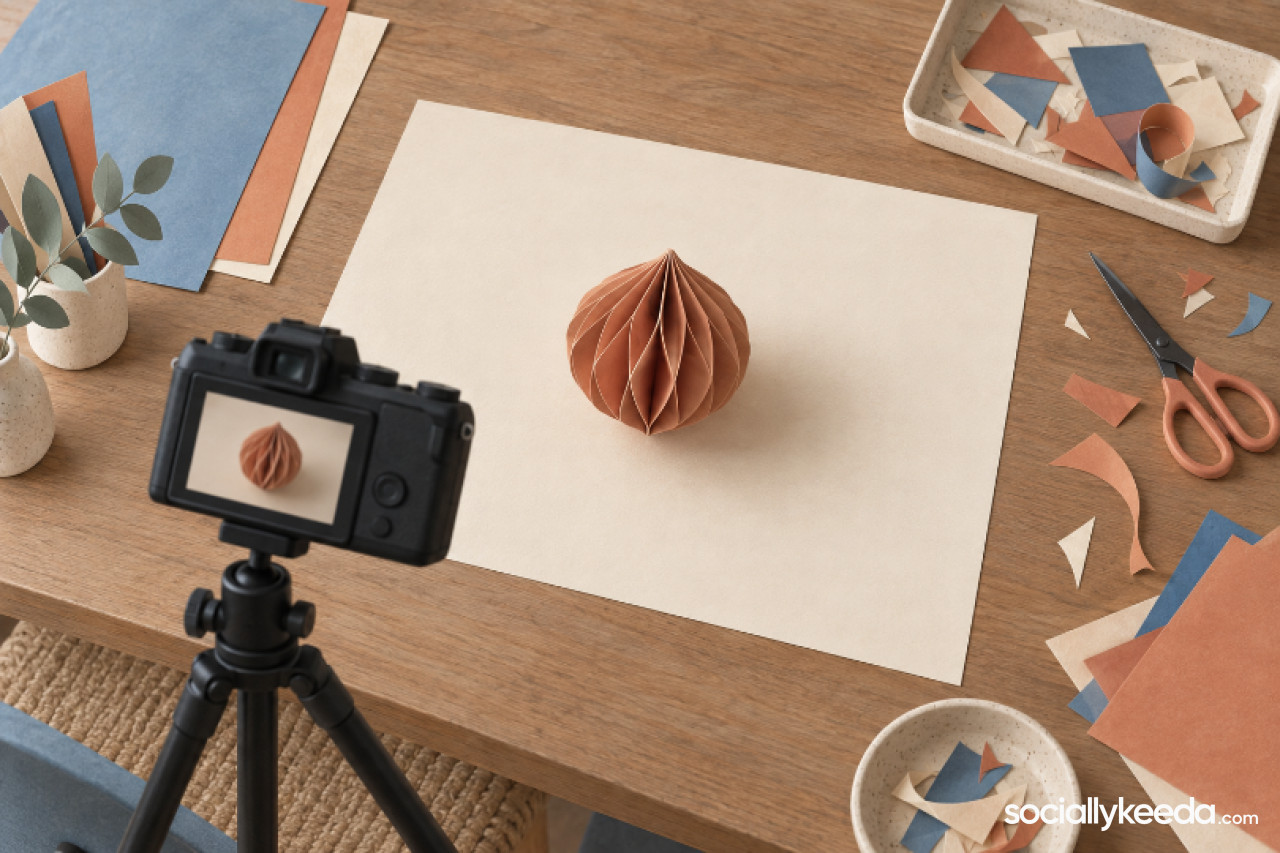
Imagine a simple paper-decoration activity with one pair of suitable scissors and six participants. The cutting might take only a few minutes per person, yet the last person could spend much of the session waiting. Preparing some shapes in advance changes that experience. So does choosing a version that uses tearing and folding instead, if it still produces the result the group wants.
Palaura's time filter can help find an alternative activity for the window you have available. It cannot account for an unfamiliar craft's drying or preparation time. Put those tasks on your own schedule, including anything the organizer must do before the others arrive. Otherwise a short group activity quietly becomes a long solo assignment.
Read also: Butterfly Love Quotes in Hindi, Butterfly Status in Hindi
Lay out the complete trial afterward: the finished object, leftover materials, tools, scraps, and items needing cleaning. That view is less glamorous than the reveal, but it is the one that helps you decide whether to repeat the process for a group. A project can be enjoyable and still be too demanding for this particular evening.
Describe the Gathering Without Promising the Video
Once you understand the work, write the invitation around the activity people will actually experience. Say whether they will make one small object, share equipment, or bring something home that needs more time to dry. Avoid promising identical results. Variation is a reasonable part of a beginner activity, even when the clip shows a perfectly coordinated set.
A written plan from Palaura — Alternative to Speed Dating Apps can provide a starting structure for a simpler gathering, including a short invitation. Adapt the wording to your confirmed arrangement. An activity suggestion does not know how much table space you have or whether the borrowed equipment will arrive. For a paper project, your own invitation might say: “We will each make one small folded decoration. Paper is covered, and we will share scissors. Bring a bag if you want to take yours home.”
Be explicit about optional spending. If basic materials are covered, say so; if someone may buy extras, keep that separate from the shared plan. People should not discover on arrival that a decorative accessory seen in the video is effectively required to participate. A workable invitation lets someone accept without reverse-engineering the original post.
Read also: PHOTOS: Samantha Akkineni spending holidays in Maldives, glamorous images viral
Decide Whether the Gathering Also Needs Filming
Decide what the camera is doing, too. Making something together and producing a polished video of the process are separate tasks. Filming every step can occupy the best working position, interrupt the sequence, and leave the organizer managing both the activity and the recording. If the group mainly wants to try the project, a few optional pictures at the end may be enoughIf you publish your own version, do not turn a shortened adaptation into a claim that the original takes only a few minutes. Explain the preparation you completed in advance. Credit the creator where appropriate, and make clear which parts you changed. Viewers benefit from seeing the work that your own edit would otherwise hide.
Keep the Appealing Moment and Reduce the Burden
Sometimes the attraction is the shared reveal rather than the craft itself. In that case, a simpler activity can preserve what the group liked. Choosing objects around a color, arranging a small display from existing materials, or comparing sketches may give everyone a finished contribution without requiring a specialist setup.
Use that distinction when an early trial fails. A project that needs more equipment or time than expected is not a challenge you have to overcome for the sake of a saved clip. Ask which part mattered: making an object, learning a technique, or seeing several interpretations together. Keep that part and reconsider the rest.
Palaura is useful as a source of written alternatives when the original activity no longer fits. Compare the suggestion against the same real constraints rather than choosing the next attractive idea immediately. The trial should improve the decision, not simply send you back to browsing.
You can still admire a beautifully edited video without making its production conditions your own. Choose an activity whose setup, shared work, and cleanup fit the people and time available. The final photograph may look different from the clip. Everyone getting a fair chance to participate is a better reason to repeat the gathering.




Comments
No comments yet — be the first to share your thoughts.