


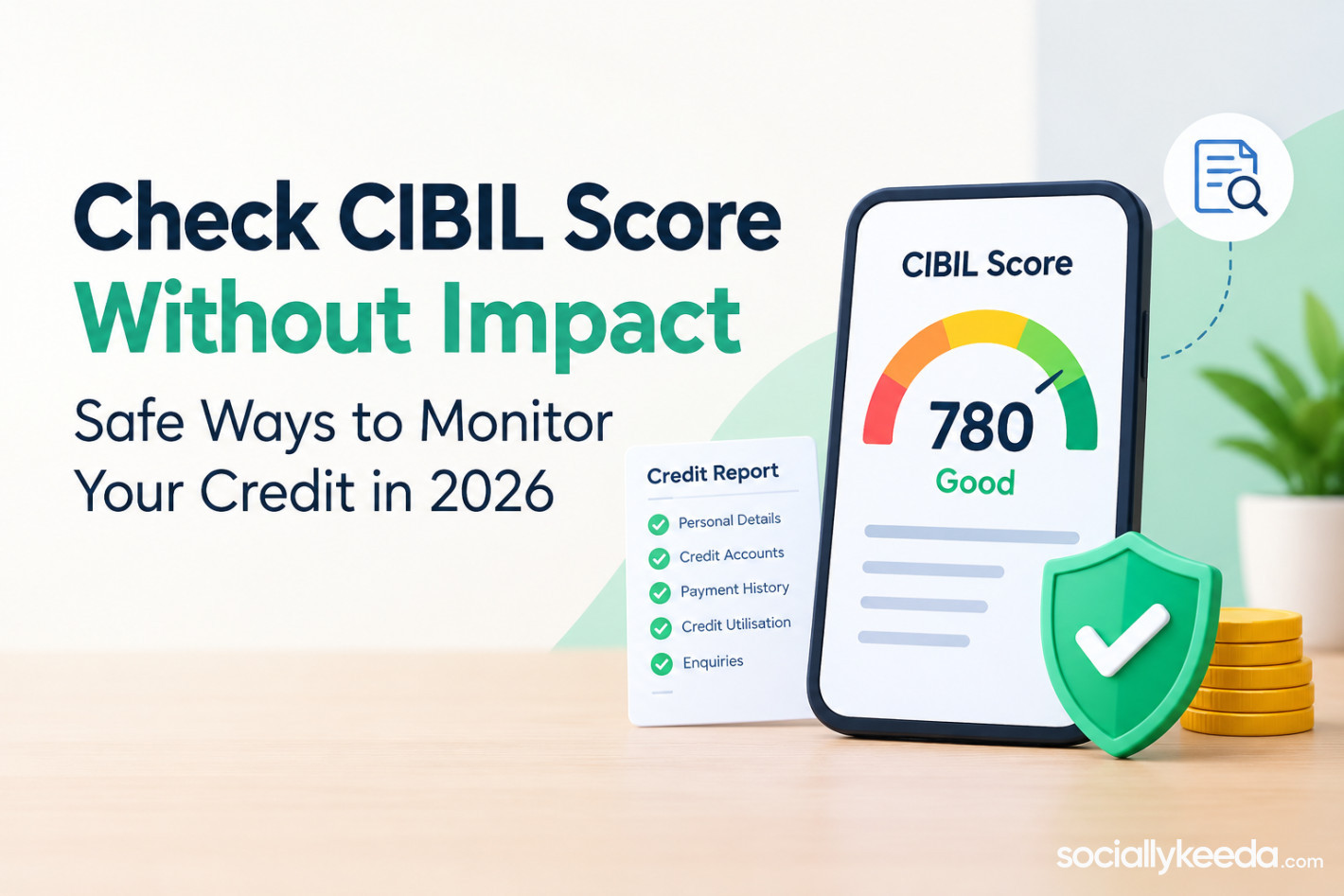
How lenders evaluate your loan and credit card applications is greatly influenced by having a satisfactory CIBIL score. To understand your credit health, it's advised to always keep reviewing and monitoring the report. But there are some individuals who think that checking their report regularly can reduce the score and hesitate to check it more frequently.
Fortunately, checking your own score is different from a lender's credit enquiry. Understanding the difference helps you check CIBIL score information regularly and correct the errors that are affecting the credit profile.
Does Checking Your Own CIBIL Score Lower It?
Checking the report or the credit score for personal monitoring is considered a soft enquiry, meaning it won't affect or reduce your credit score. On the other hand, when a lender checks the credit history of an applicant while evaluating the application, whether for a loan or a credit card, it impacts the score and is considered a tough enquiry.
Read also: How Much Should You Hold in Deposits Instead of Using Credit?
Multiple hard enquiries within a short period show that you're desperate for a loan and actively looking for credit. So, when a consumer reviews their own credit information, they can check it without any worries, as routine checks by them don't lower the score.
What's the Credit Score Range in India?
Lenders evaluate the score of an applicant to understand their financial history and their creditworthiness. It's a 3-digit number that ranges from 300 to 900, where the higher the score, the stronger the credit profile and the higher the probability of loan approvals.
Read also: Cash Or Growth? Decision Guide For Canadian Dividend Investors
Here's what the credit score range India shows:
-
750-900 (Excellent): Ideal credit score with chances of getting quick approvals at competitive rates and favourable terms.
-
650-749 (Good): Healthy credit behaviour, with good chances of approvals at slightly higher rates.
-
550-649 (Fair / Average): Moderate risk, as lenders approve loan applications by charging higher interest and requiring additional paperwork.
-
Less than 549 (Poor): Most new applications face rejection, as there's high risk or a history of unpaid dues involved.
What Are Safe Ways to Check Your Credit Score?
Without creating unnecessary hard enquiries, here are a few ways to check CIBIL score:
1. Use an Official Credit Bureau Service: Get your credit report and information through the relevant credit bureau's official platform. This allows you to learn the factors affecting your score and review your credit report deeply.
2. Use Trusted Financial Platforms: Some banks and financial platforms provide credit-score monitoring facilities. Before using one, make sure the service is legitimate and clearly explains how it will handle your credit information.
Read also: Beyond Term Deposits: Exploring Steady Income Options for Cautious Savers
3. Monitor Your Credit Regularly: It helps you identify changes early when you check your credit periodically. While you don't need to check it every day, a consistent review can be sufficient for most borrowers.
What Should You Watch for in Your Credit Report?
Credit monitoring is more than checking your score. The report contains information helping you analyse the overall credit profile. Check CIBIL score information, and when you find this incorrect, you can contact the relevant authorities for changes. Ensure to review the following:
-
Personal details
-
Existing and closed credit accounts
-
Repayment history
-
Outstanding balances
-
Credit utilisation
-
Recent loan or credit card enquiries
-
Unfamiliar transactions or accounts
What's a Glorious CIBIL Score?
Having a good CIBIL score helps improve your chances of meeting a lender's credit eligibility requirements. A score of more than 750, or closer to it, generally reflects responsible credit management. With consistent habits, a user can get a perfect and healthy credit profile:
-
Pay your existing EMI and credit card dues on time.
-
Avoid making too lots of loan and credit card applications within a short period.
-
Ensure you keep your outstanding balances manageable.
-
Maintain a healthy credit utilisation ratio (less than 30%).
-
Regularly review and monitor your profile and correct errors when needed.
-
Avoid closing older accounts without considering their impact on your overall credit profile.
Why Is Regular Credit Monitoring Consequential in 2026?
Over the years, digital financial services have made borrowing much easier and have made access to credit convenient and paperless. However, users are always advised to stay attentive to their credit information and know the credit score range India. Checking the credit profile helps to:
-
Check unfamiliar credit accounts
-
Check out for incorrect repayment information
-
Monitor changes in credit profile
-
Prepare before applying for a loan
-
Have better borrowing habits
Final Thoughts
Credit monitoring doesn't have to mean putting your score at risk. You can safely check CIBIL score information yourself, review your credit report and track changes without treating every personal check as a damaging enquiry. Maintaining timely repayments, controlling credit usage and reviewing reports regularly can support a superb CIBIL score over time.
Stashfin emphasises simplifying borrowing with features like zero-hassle, round-the-clock funds, full digital processing, instant loan approval. Quick disbursal, all without manual paperwork. Its digital strategy aims to make credit management and planning easier for eligible borrowers.









Comments
No comments yet — be the first to share your thoughts.