



Money sitting quietly in a deposit doesn't feel productive. Not the way an investment does, anyway, and it's tempting to shift most of it somewhere that looks like it's working harder.
Then an unexpected expense shows up, and that same quiet reserve is suddenly what decides whether you handle it calmly or scramble for a quick loan under pressure. Worth figuring out how much actually belongs there, rather than everywhere else.
Why Does This Question Come Up So Often?
Because most people either overdo it or underdo it. They rarely land somewhere sensible without actually thinking it through. Some keep almost everything liquid, missing out on better returns elsewhere purely out of caution.
Others keep next to nothing set aside, assuming credit will always be there when needed. Borrowing under pressure rarely happens on favorable terms, though, and that assumption tends to backfire at the worst possible moment.
What's the Basic Idea Behind Holding Money in Reserve at All?
Simple enough on the surface. Life throws expenses that don't wait for a paycheck or a good month. A medical bill. A sudden repair. A gap between jobs. Having money already set aside for exactly this purpose means you're reacting to the situation itself, not to a lender's terms at the same time.
Read also: Cash Or Growth? Decision Guide For Canadian Dividend Investors
The reserve isn't meant to grow aggressively. It's meant to just be there, dependable, the moment it's actually needed.
Where Does a Deposit Actually Earn Its Keep Here?
This is precisely the role an FD tends to play well. Not chasing the highest possible return, just offering a predictable amount that stays safe and accessible within a defined period, without the swings that come with market-linked options.
Keep your reserve in something like this and you know almost exactly what you'll have on hand if a need arises, rather than hoping a volatile instrument happens to be up on the day you need to withdraw.
How Much Is Actually Enough to Keep Sitting There?
Enough to cover a meaningful stretch of your regular expenses without any income coming in. That's the general idea most financial planning suggests. The right number depends heavily on how stable your income feels, whether you're the only earner in the household, and how quickly you could realistically replace lost income if it stopped.
Someone with a single, unpredictable income stream generally needs a deeper reserve than someone in a stable dual-income household.
Does Every Expense Deserve a Place in That Reserve?
Not really, no. Think essentials here, not your usual spending habits. Rent, existing loan payments, groceries, utilities, the insurance premiums that keep running whether you're earning or not.
Read also: Beyond Term Deposits: Exploring Steady Income Options for Cautious Savers
The weekend trips and impulse purchases don't belong in this number, tempting as it is to pad the figure so it feels more comfortable.
A rough way to sort what actually counts:
-
Rent or an existing loan payment. This one doesn't pause just because your income did.
-
Groceries, electricity, the basic stuff that keeps a household functioning day to day.
-
Any premium that lapses if you miss it, since losing a policy over a missed payment defeats the whole point of planning ahead.
Everything else, dining out, subscriptions, the occasional splurge, can wait. That's not what this money is for.
When Does Reaching for Credit Make More Sense Instead?
Once your reserve is genuinely built up, credit becomes a backup rather than a first resort.
That's exactly how it should function. A personal loan can bridge a gap that's larger than what your reserve comfortably covers, particularly for a one-time expense you're confident about repaying on a clear timeline.
Using credit for something your reserve was specifically meant to handle just means paying interest on money you effectively already had sitting there.
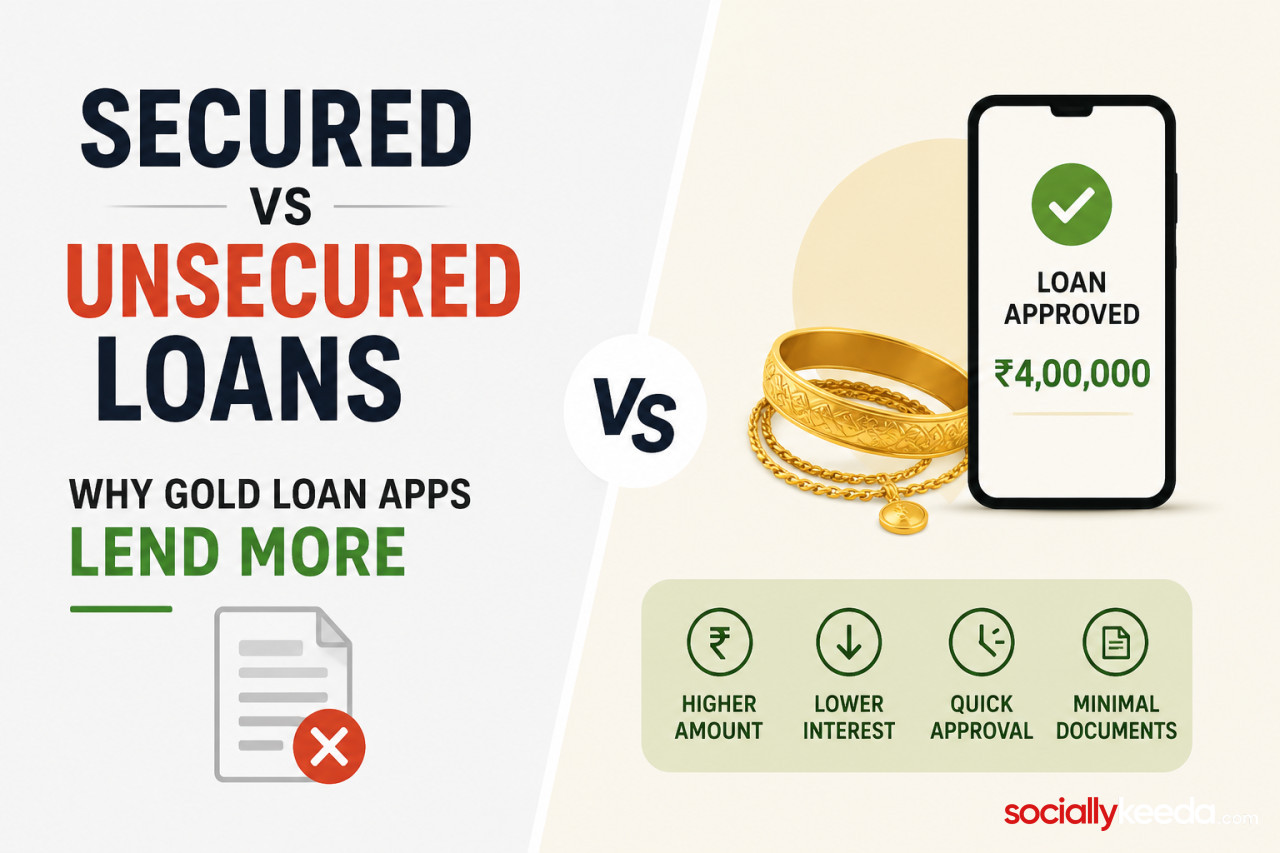
Read also: Loan Against Gold And The Growing Need For Quick Liquidity
Striking the Right Balance Between the Two
Holding too much in a low-growth reserve limits how much of your money is actually working toward longer-term goals.
Holding too little leaves you exposed the moment something goes wrong, forcing a rushed borrowing decision at the worst possible time.
The right balance usually means keeping a clearly defined reserve untouched for its actual purpose, while directing everything beyond that toward goals that benefit from growth over time.
Mistakes People Make Deciding This Balance
-
A lot of people keep far more sitting idle than they'll ever realistically need, simply because moving it elsewhere feels riskier than it actually is.
-
Others keep next to nothing set aside, confident credit will always be available on reasonable terms exactly when needed, which isn't always true.
-
Some count discretionary spending as part of their reserve calculation, inflating the number without actually protecting the essentials it's meant to cover.
-
And plenty never revisit the figure as expenses or income change, carrying a reserve sized for a life stage they've already moved past.
The Number Worth Settling On
There's no single figure that fits every household. Only the one that genuinely reflects your expenses, your income stability, and how quickly you could recover if something went wrong.
Building that reserve deliberately, rather than guessing at a round number, is what actually determines whether an unexpected expense feels manageable or turns into a scramble for quick credit under pressure.






Comments
No comments yet — be the first to share your thoughts.