

Simplifying Your Admission Process: Essential Role of a Counselor
Expert counseling support for smooth undergraduate admission planning


I’m sure you had that one friend in school or college who knew everything. You say a topic and—boom—knowledge shower. Back then the lesson happened under a peepal tree; today, the city replaced the tree with an app.
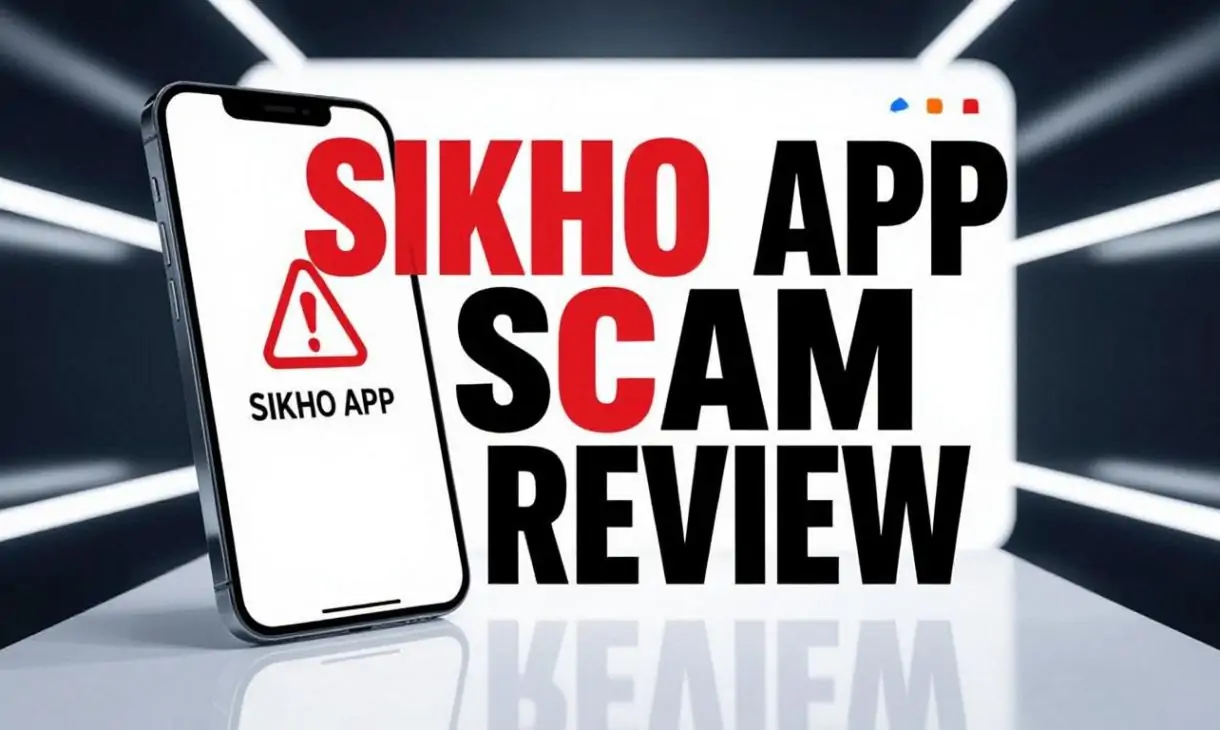
Meet the Sikho app: a one-stop shop that claims to teach everything from English to stock trading, from stitching to social media growth. Sounds brilliant. Sounds lazy. Mostly, it sounds like a marketing machine.
This article takes everything from the ad scripts and user reactions you pasted, walks through the red flags, highlights what might actually work, and gives you a practical checklist to decide whether to download or delete.
I’ve used a conversational tone, added real-world examples, and kept the sarcasm intact—because the ads deserve it. Also: this is for SociallyKeeda.com readers, so yes—we’ll end like real humans (not like a robotic ad script).
Also read: Understand How Cloud Strategy Services Are Transforming Digital-First Businesses
At first glance, Sikho looks like a dream: English-speaking confidence, stock market mastery, social growth hacks, stitching, embroidery—name it, they teach it. Their ads are the real product though. They’re loud, dramatic, and repeat the same script across different faces: “I learned English, now everyone respects me,” “I invested and doubled my money,” “YouTube shorts blew up after this course”—you get the idea.
The ads don’t just sell courses; they sell transformation. The tone is: download the app, join a parallel universe where everything changes. It’s emotional, aspirational, and deliberately simple—perfect for quick conversions.
One glaring issue: every ad feels like copy-paste. The same lines pop up from different actors, word-for-word. That triggers two reactions:
First, it becomes comedic. You watch one ad and you’ve seen them all. The English lines—"I’m speaking better and better," "fantastic"—repeat until they lose meaning.
Second, it raises authenticity concerns. If the testimonials are scripted and identical, are they testimonials or rehearsed scenes?
Real learning experiences vary. Real students don’t use the same exact phrases. That uniformity is a warning sign.
Sikho markets an army of experts—traders, marketers, English coaches, astrologers, life-hack gurus. The pitch: each teacher is a master of their field.
Here’s the problem: if they were truly exceptional, why would they be spending their time on an unknown app rather than building businesses, funds, or channels that demonstrate their expertise? That doesn’t mean none are real—some may be legitimate coaches—but the blanket claim that every instructor is a champion is suspicious.
This is the classic ‘MBA-sounding’ problem: stamp everyone with a title, and the product begins to look like a marketplace of polished resumes rather than proven results.
A lot of the ad language and the promise-of-easy-wealth evoke memories of MLMs and pyramid schemes. Think of the guy who told you to be at 9:30 a.m. sharp—he promised an Audi and left on a Splendor. Sikho doesn’t shout “multilevel marketing,” but the structure of “buy a course → implement one trick → get rich” is dangerously similar.
Why that’s a red flag: MLMs target aspirational middle-class audiences with low financial literacy. Sikho’s target demographics—people who want quick social proof, government jobs, or side income—overlap with MLM targets.
If the app encourages aggressive recruitment, guaranteed returns, or promotes “one weird trick” money-making shortcuts, treat it like an MLM until proven otherwise.
ALso read: How ULIP Plans Are Shaping Long-Term Wealth Strategy in a Volatile Market
Some courses—like those advising users to download Hollywood or South Indian films and re-upload clips for fast money—open a huge legal can of worms. Copyright infringement can lead to strikes, demonetisation, and lawsuits. If Sikho’s content normalizes this behavior, that’s a major ethical and legal failure.
Even worse: the sequence of courses invites an Inception-style loop—learn the hack, get sued, take the course on how to fight legal cases, lose, take the course on surviving jail life. It’s exploitative.
A portion of the app is devoted to life hacks—how to repel ants, which mattress to buy, how to handle cockroaches. Some of these are genuinely useful, but many are obvious tips dressed as premium content. If a lesson can be solved with a ₹50 spray or a quick YouTube search, charging for it feels like upselling basic common sense.
There’s a spectrum: high-value classes (structured language learning, verified finance fundamentals, accredited professional skills) vs low-value fluff (mattress choices, generic motivational talks). Know where the course sits.
Sikho’s most likely victims are middle-class users with limited earnings or low digital literacy. These people are hungry for upward mobility and are likeliest to spend on a perceived shortcut. They may not have the tools to evaluate claims, read fine print, or contest refunds.
A responsible learning platform should prioritize transparency—clear instructor profiles, verifiable outcomes, money-back guarantees, and realistic marketing. If an app lacks those, the risk of exploitation rises.
Not everything is trash. A few things might be genuinely useful:
Structured language programs that include practice, feedback, and measurable milestones can help learners gain confidence.
Beginner finance education that teaches basics—what stocks are, risks vs returns, diversification—can move someone from gambling to informed investing.
Practical skill modules (e.g., a well-designed tailoring or embroidery course with step-by-step videos and project feedback) can be valuable.
Key difference: useful courses don’t promise overnight riches. They offer a curriculum, measurable progress, and realistic outcomes.
Check instructor credentials beyond the label “expert.” Look for verifiable work, portfolios, or public proof.
Search for independent reviews (not only app-store stars—look for community forums or unbiased takeaways).
Ask for a syllabus. If they can’t show one, don’t buy. Quality courses show what you will learn week-by-week.
Refund policy. Is it clear and reasonable? A dodgy or hidden refund policy is a major red flag.
Sample content. Free previews or a demo class signify confidence. If everything is locked, be cautious.
Legal warnings. Courses that suggest copyright infringement or shady shortcuts? Run.
Community proof. Real student projects, case studies, and outcomes matter more than slick testimonial actors.
Also read: Online MCA: Get a Degree Equal to a Regular MCA
YouTube + curated playlists: Many creators provide high-quality English coaching and free finance basics.
MOOCs (Coursera, edX, or Indian alternatives): Structured, vetted, and often provide certificates.
Local community centers or verified coaching institutes for hands-on skills like stitching.
Small paid workshops with reputations and clear outcomes.
Mix free and paid resources. If a paid course is twice as expensive as a certified alternative, think twice.
Sikho is entertaining to watch—its ads are a show—but entertainment is not education. The app packages aspiration in a glossy wrapper and sells convenience at scale. Some modules may help, but the overall pattern screams aggressive marketing, cookie-cutter scripts, and risky advice for vulnerable users.
If you want honest learning: look for transparent courses, measurable outcomes, and instructors who can show real-life proof—not actors reciting the same line three times in a row.
Want to laugh about the ads? Fair. Want to learn English properly? Great—find a structured, accredited course. Want quick riches? Sorry, that’s not how real learning or investing works.
If you liked this take, keep an eye on SociallyKeeda.com for more no-nonsense breakdowns of viral apps and trends. We’ll keep calling out the drama, one ad at a time—without selling you a mattress as a life hack.
- Advertisement - Continue Reading Below -
- Advertisement - Continue Reading Below -