


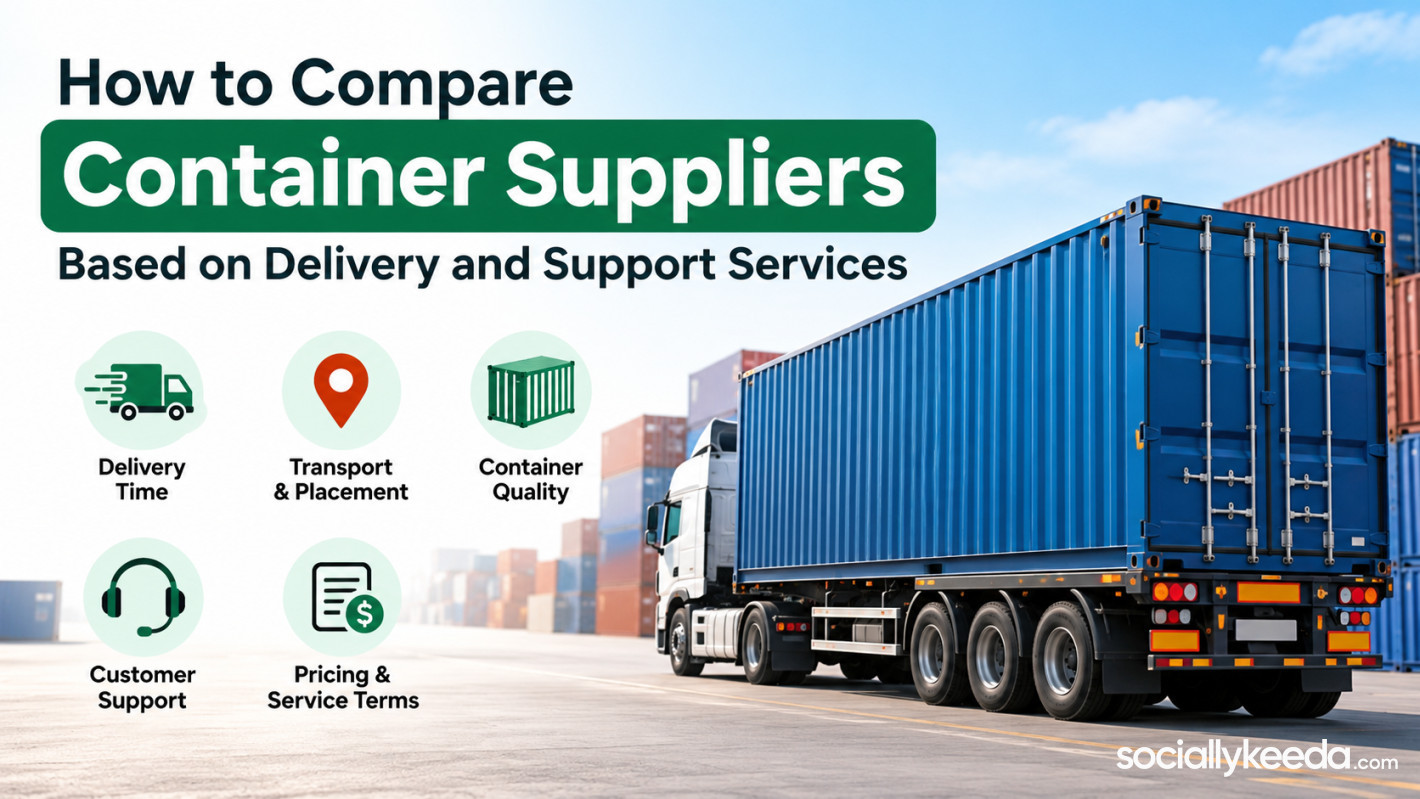
Besides size and costs, companies must compare other factors when choosing between shipping container providers. These are delivery details, customer support, communication, and post-sales service. Thus, although a company may offer better prices, it can spoil the whole process by providing slow delivery of the purchased or rented container and poor support. A thorough comparison will help organizations find the most suitable provider, cut costs, and obtain high-quality storage or transportation means of a company. Moreover, such analysis will help establish realistic expectations about delivery dates and services that the given provider will offer.
Delivery Scheduling and Reliability
Shipping container Vancouver is able to deliver the purchased or rented unit in a timely manner. Therefore, businesses should ask for delivery estimates, scheduling practices, and general punctuality to avoid disruptions to their operations. In particular, delays can hinder the continuation of works at construction sites or the receipt of new goods if the company has ordered a container to hold inventory. The supplier’s ability to fulfill the request within the set timeframe and inform the customer about any changes to the delivery date is equally significant.
Read also: Why More Adult Smokers Are Comparing Tobacco Prices Before Buying
Companies must learn if the supplier offers flexible delivery opening times to ensure uninterrupted service. Ideally, businesses should receive the unit at the most convenient moment and location. As such, customers should clarify if a supplier can accommodate their project schedule, only deliver the containers on weekdays, or provide special opening arrangements. Furthermore, it is essential to find out if the firm offers re-scheduling services without additional costs and address any weekend access limitations.
Transportation and Placement Services
The transportation and placement services included in the contract can impact the overall expenses. Thus, businesses must understand if the supposed supplier delivers the product directly to the customer’s location and, if so, what additional charges may be included. Most suppliers only offer transportation and installation services within a specific region. If the delivery address is too far or the place does not correspond to the truck’s specifications, an organization may have to pay extra fees or use a third-party company’s services. Finally, customers should request a description of the conditions under which the supplier will place the container and ensure the safety of the chosen site. The location should be suitable for the unit’s weight, size, and roof height to avoid damages and additional expenses.
Container Quality and Inspection Procedures
Companies should clarify the standards of container quality since not all suppliers provide the same level of inspection. Businesses should ask the potential supplier to explain how they check their products before handing them over to the customer and what problems they may discover during inspection. Although the client is entitled to inspect the unit, they should learn if the supplier utilizes professional practices and tools. In particular, some manufacturers offer commercial goods transport or long-term storage solutions, and it is crucial to ensure that the unit’s doors, floor, walls, and other parts correspond to the specified requirements. Finally, organizations must obtain detailed information about a supplier’s reaction to any damage or inspection discrepancies and clarify if they have the option of replacing the unit with another one.
Read also: BestLinks AI Vs A Publisher List You Filter
Customer Service and Communication
Efficient communication channels enable shipping container suppliers to respond to their clients’ instructions and address their concerns quickly. Thus, businesses should consider who they contact regarding the responsiveness, accessibility, and expertise when reaching out to the company. Ideally, organizations should work with partners that can provide accurate information and answer any questions about the container’s size, storage conditions, transport regulations, and other terms upon request. In addition, the staff should be available for communication before and after the purchase or rent. If the company provides multilingual support, that is an additional benefit and a nice option for those who prefer email correspondence.
Meanwhile, customers should examine the customer service quality within the delivery timeframe to determine if the company follows up on all details concerning the delivery. In particular, businesses should request the contact information of the assigned manager, available complaint channels, and the general flexibility of the provider. The organization should also be capable of delivering the required assistance in case of door malfunction, financial concerns, or other issues. Before signing the contract, clients should inquire if the selected partner offers technical support and what steps they should take in case of a problem.
Read also: How Do Flats for Sale in South Bangalore Deliver the Perfect Balance of Comfort and Connectivity?
Pricing Transparency and Service Agreements
The analysis and comparison of quotations offered to buy shipping container are essential to make a cost determination. In particular, the organizations need to request a detailed description of the proposed deal, including the delivery location, access instructions, the fee, and other expenses. At the same time, the clients should make sure that the supplier has taken into consideration all costs and there are no additional charges for delivery, installation, and other services. Although the company offers affordable rates, they might not provide the demanded benefits or misinterpret the contract terms.
In addition to cost and quality evaluation, businesses must thoroughly compare the service agreements and follow the suppliers’ general practices. A competent provider can offer a detailed description of the circumstances under which the delivery will be held on a new date if the client experiences delays. Simultaneously, the company should be capable of replacing the unit in case of an accident, providing compensation for damages, and corresponding to the customer in case of service denial. Finally, clients should review the documents to identify any cancellation restrictions, refund policies, and other significant statements.





![All Ullu Web Series Actress Name and Photos [2024 Latest List]](https://www.sociallykeeda.com/uploads/images/202401/image_870x_659e36a2a4d8e.webp)
Comments
No comments yet — be the first to share your thoughts.