


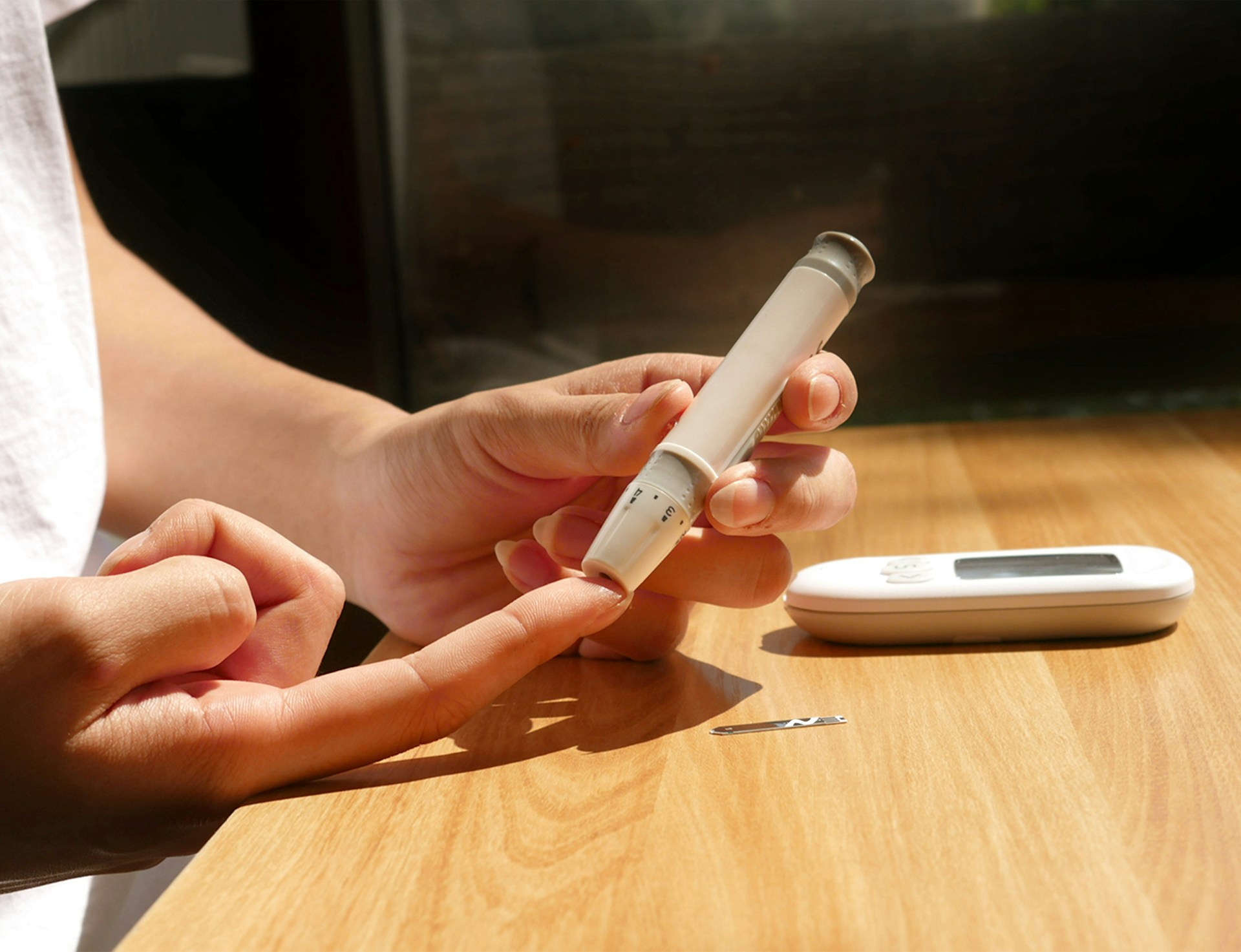
As well as having many other effects on the body, having diabetes or hypertension could reduce libido and cause problems with arousal. A person could experience decreased desire, inability to achieve or sustain an erection, and dryness, tightness and pain.
All of these could occur as a result of various mechanisms, such as neuropathy, poor perfusion, as a side-effect of medications, or due to psychological factors. It would therefore benefit the individual to be able to pinpoint what difficulties they may be experiencing.
What you’ll learn:
-
Why Desire and Arousal Are Different
-
What Melanocortin Research Shows
-
How Diabetes Can Affect Sexual Health
-
Why Blood Pressure Matters
-
Medicines, Mood and Daily Life
-
What to Do When Your Sex Drive Changes
-
Wrapping It Up
Why Desire and Arousal Are Different
Desire refers to the wish to engage in sexual activity. Arousal refers to the bodily changes which allow this, for example, achieving an erection or adequate vaginal wetness. Clearly there can be overlap.
A person may desire sex but be unable to achieve or maintain an erection. Alternatively, there may be no problem with achieving an erection but the individual may lack the desire to engage in sex, perhaps due to fatigue, anxiety or other reasons. Clearly, pain may prevent both desire and arousal.
Clearly, both of these processes may be affected in diabetics, and arousal may be affected in someone with high blood pressure, but this will not necessarily have any bearing on their level of desire. So it’s helpful to pinpoint whether it’s one or both that may be affected, rather than assuming decreased libido.
What Melanocortin Research Shows
Blood supply alone will not determine a person’s libido. There has been considerable interest in the role of melanocortin receptors in various aspects of sexual behavior.
The PT-141 nasal spray from Vistara Labs, a Canadian research supplier, contains bremelanotide and is supplied for laboratory research only.
A small number of pre-menopausal women suffering from arousal problems were given intranasal bremelanotide. Further studies would of course be required to see if it would be of benefit to those with diabetes or hypertension.
Read also: Best Ways To Get Rid Of Pubic Lice
In the United States, bremelanotide injection is FDA-approved for premenopausal women with acquired, generalized hypoactive sexual desire disorder (HSDD) that causes marked distress or interpersonal difficulty.
The condition must not be due to a medical or psychiatric condition, relationship problems, or the effects of medication or another drug. As it can increase blood pressure, it should be avoided if a patient has uncontrolled hypertension or other cardiovascular disease.
There is ongoing research into the causes of decreased libido, but this would be in addition to investigating causes of the other problems described above.
How Diabetes Can Affect Sexual Health
Diabetes can damage nerves and blood vessels that support sexual function, although not everyone with diabetes develops sexual difficulties
According to the CDC, an estimated 40.1 million people in the United States had diagnosed or undiagnosed diabetes in 2023, whether aware of their diagnosis or not. The number going on to have sexual difficulties is unknown.
A man may therefore have difficulty achieving and maintaining an erection. However, this may or may not be associated with decreased desire to engage in sex.
Similarly, a woman may experience dryness, decreased sensation, difficulty becoming aroused, and pain. She may be more prone to thrush if her sugars are poorly controlled, which could further detract from enjoyable sex.
Of course, if her blood sugar levels fluctuate considerably she may feel generally unwell and have little inclination towards sex, regardless of whether she would physically be able to engage in it.
Good glucose control may help prevent progression of any neuropathy, although any current problems, such as pain, would require investigation and treatment in their own right.
Read also: How Do You Choose the Right Breast Augmentation Option in Dubai for Your Goals?
Why Blood Pressure Matters
As most people are asymptomatic, it’s easy to overlook the damaging effect hypertension can have on blood vessels throughout the body, including those supplying the pelvis, thus impairing arousal.
This may lead to erectile dysfunction in men. There is limited literature on its effect on female arousal, although again, decreased blood supply could cause difficulties and pain.
If a person knows they may struggle to achieve an erection, or that they may experience pain with intercourse, it’s understandable that this may decrease their wish to engage in sex.
Clearly, if a male is experiencing problems achieving an erection, it would be worthwhile to check for hypertension and other risk factors for cardiovascular disease, rather than blaming stress and aging.
Appropriate therapy to lower the blood pressure should continue despite any effect it may have on sexuality.
Medicines, Mood and Daily Life
There may, of course, be other contributing factors to decreased libido. Some antihypertensive agents have been implicated in causing erectile dysfunction (mainly the older beta blockers and thiazide diuretics), as have some antidepressants, and these may decrease desire.
Of course, not all individuals taking these drugs will be affected. However, if problems coincide with starting a new drug or an increase in dose, it is worthwhile informing your doctor or other prescriber. You should never discontinue your medications abruptly.
Other factors play a role, such as poor quality sleep, long-standing pain, depression, endocrinopathies or problems with their partner, to name a few. All could be present simultaneously.
Read also: What Should You Look For When Choosing a Longevity Summit In Dubai?
So a person may be sleep-deprived and tired, anxious about their blood sugars and further anxious due to previous painful experiences. Clearly, desire may take longer to return despite therapy directed at improving blood supply. Thus therapy directed solely at increasing arousal may fall short.
What to Do When Your Sex Drive Changes
You should try to identify what problem you feel you are experiencing, and when this began.
It would be helpful to:
-
Identify predominant areas of difficulty: desire, arousal (erection and wetness), pain or achieving orgasm
-
Try to identify any other changes around that time, such as medications, poorer glucose control, change in blood pressure, quality of sleep, and levels of stress
-
Have a list of all current medications and supplements, although you should not stop taking any prescription drugs
-
Discuss any other worries, for example, pain, and any feelings of anxiety and depression
-
Ask about appropriate therapy to address the issues identified and take into account any co-existing problems, such as cardiovascular disease, and possible interactions with other medications.
Depending on symptoms, the doctor may wish to assess various aspects such as blood pressure, level of diabetic control, current medications, and other possible causes. They may wish to change current medication, treat areas of discomfort, refer on for further investigations and so on.
As mentioned previously, if medication to aid erection were being considered, it would be important to know whether there was any other cardiovascular disease and to check for contra-indicated concomitant medications. In particular, concurrent use with some medications for angina can precipitate severe hypotension.
Open communication with one’s partner as to the nature of any difficulties experienced would also be beneficial, to allay any assumptions that there was lack of desire or attraction for them.
Of course, levels of desire will vary from day to day, but a persistent change which causes distress, affects the relationship with your partner or could point to an underlying problem is worth investigating.
Wrapping It Up
There are many ways in which someone with diabetes or hypertension may find their libido affected. As discussed above, once aware of any problem, appropriate steps can then be taken to address it.
Appropriate therapy will depend on what difficulty or difficulties the individual is experiencing, which can then be discussed further with their doctor.





Comments
No comments yet — be the first to share your thoughts.