


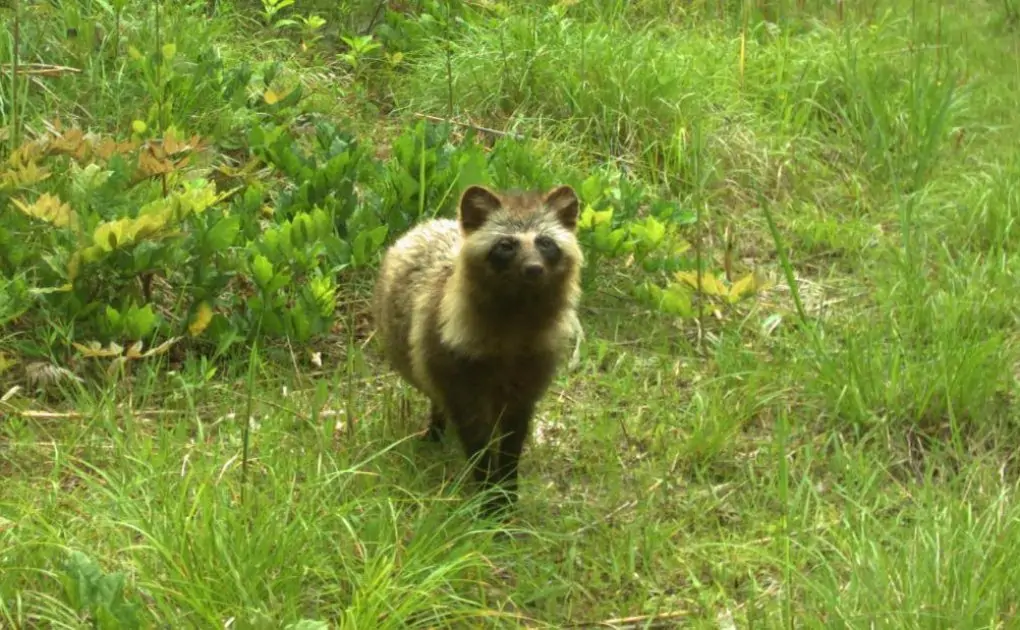
Three reactors on the Fukushima Daiichi nuclear plant melted down, releasing radioactive supplies into the air and greater than 100,000 individuals had been evacuated from the world.
Scientists have now found that wildlife is considerable in areas that people not reside.
Utilizing distant cameras, researchers from the College of Georgia recovered greater than 267,000 pictures of greater than 20 species -- together with racoon canine, wild boars, macaques, pheasants, foxes and Japanese hares within the areas surrounding the facility plant.
Read also: Rohit Pawar says drug inspectors’ exam leaked
"Our results represent the first evidence that numerous species of wildlife are now abundant throughout the Fukushima Evacuation Zone, despite the presence of radiological contamination," James Beasley, affiliate professor on the Savannah River Ecology Laboratory and the Warnell College of Forestry and Pure Sources, mentioned in a press release.
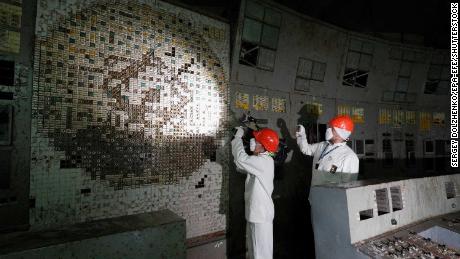
Photographic information was collected from 106 digital camera websites from three zones: Areas the place people had been excluded because of the highest degree of contamination; areas the place people had been restricted as a consequence of an intermediate degree of contamination; and areas the place individuals had been allowed to stay.
Read also: Japanese man invents 'edible' plastic bag alternative to save Nara's sacred deer
Over 120 days, cameras captured 46,000 images of untamed boar, with greater than 26,000 photographs taken within the areas which had been uninhabited.
In distinction, about 13,000 photographs had been taken in zones the place people had been restricted as a consequence of contamination and seven,000 taken in zones inhabited by individuals.
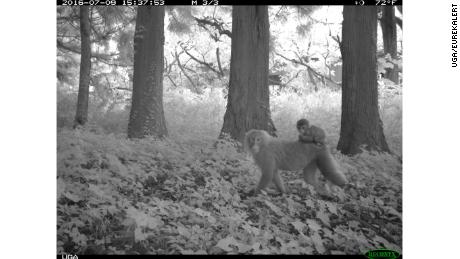
Researchers additionally noticed larger numbers of racoons, Japanese marten, a weasel-like animal, and Japanese macaque or monkeys in uninhabited or restricted zones.
Read also: Russia and China agree to build joint lunar space station
Species thought of to be "in conflict" with people, similar to wild boar, had been predominantly photographed in areas and zones evacuated by people, Beasley mentioned.
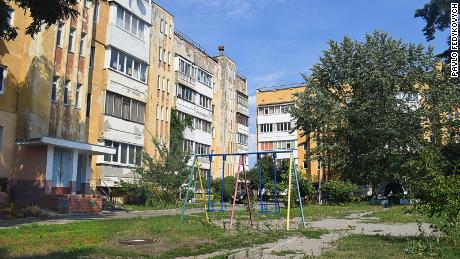
Whereas the analysis displays the radiological impression on wildlife populations as an entire, it doesn't give an evaluation on the well being of particular person animals, scientists famous.





Comments
No comments yet — be the first to share your thoughts.