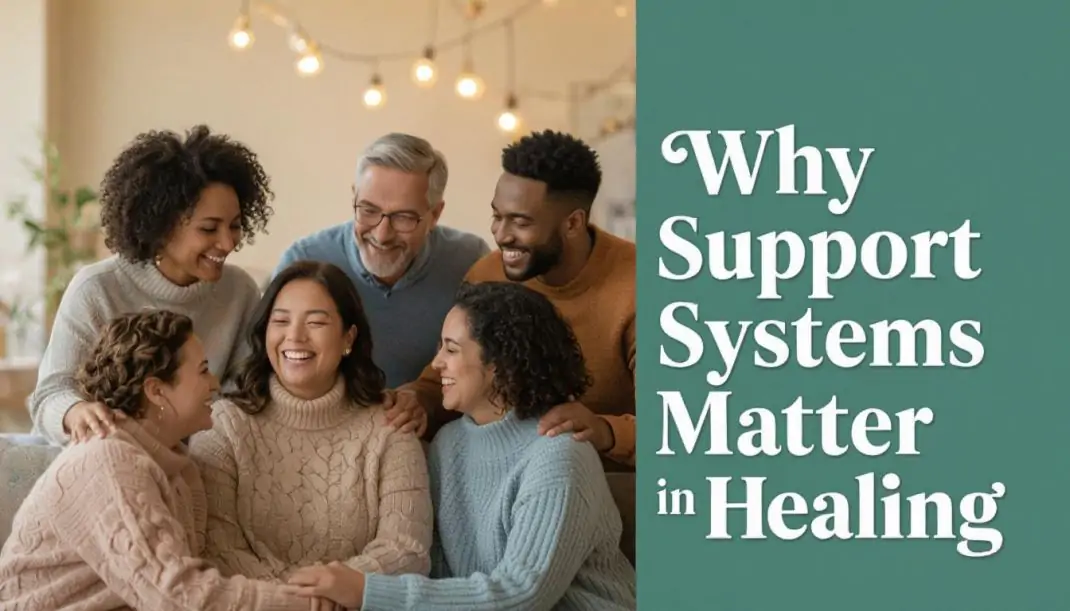
Healing, no matter the form — mind, body or spirt — is never a solo experience. Although treatment or therapy, and sometimes medication, are key components in the recovery process, so is having a support system. Support networks are the friends, family, peers and professional contacts who provide emotional understanding and support, as well as practical help during difficult times. It’s about so much more than comfort, though: these systems can influence everything from hardiness to stress and principles of overall health.
Emotional Support Reduces Stress
Among the first rewards of having a strong support network is less emotional stress. Recovering from trauma or a chronic condition often results in feelings of isolation, anxiety, or despair. Sharing its grief, or reaching out when life feels tough can also lighten the loads. Confiding concerns and experiences in empathizing persons enable patients to work through emotions more safely while reducing feelings of aloneness and helplessness. The emotional relief isn’t just in your head, either; it can impact physical recovery: Chronic stress dampens immune function, messes with sleep and is all-purpose bad for you.
Encouragement Boosts Motivation
Recovery can be a slow and frustrating process, whether it’s learning to walk again after an injury or coping with mental health challenges. Support systems provide motivation when progress feels stagnant. Words of encouragement, celebrating small victories, or simply being present during setbacks reinforces perseverance. This motivational aspect is especially vital for individuals undergoing long-term therapies, as consistent reinforcement from others often determines whether they maintain treatment routines or give up prematurely.
Practical Support to Get Through the Day
In addition to emotional support, practical assistance from your support network can greatly facilitate healing. Tasks like driving to appointments, cooking, or medication management can be picked up by family members or friends. And for someone in recovery from a surgery or dealing with mental health issues, these kinds of practical support can prevent complications and make it easier to stick to treatment plans. This frees up the patient from the everyday stresses of trying to sort out a place to stay and allows his or her attention to be on recovery, rather than financial or housing issues.
Professional Networks Offer Expertise
Support systems are not limited to personal connections. Professional networks, including therapists, counselors, and healthcare providers, play an equally important role. These experts provide guidance, education, and structured interventions that enhance recovery. For example, programs designed for mental health support, such as those offered by safehavenbh.com, integrate professional care with a supportive environment. Access to knowledgeable professionals ensures that healing is safe, informed, and tailored to the individual’s specific needs.
Social Connection Enhances Mental Health
Research consistently shows that strong social bonds improve mental health outcomes. Loneliness and social isolation are linked to higher rates of depression, anxiety, and even cardiovascular problems. On the other hand, belonging enhances a sense of purpose and meaning, which can be life-enhancing in vulnerable times. Support networks allow for experiences of connection, through informal or casual conversation, to social and other activities (experiential processes), or to formalized support groups, that are important as these contribute toward better emotional health.
Building Your Support System
You cannot have a good support system passively. Find people who are reliable, sympathetic, and firm. Professional connections, people like counselors and therapists, can supplement personal ones. Open lines of communication are essential; informing others of what is needed allows them to lend assistance. Further hearing and professional guidance is provided through community programmes or support groups.
The Road to Recovery
Support systems are more than just a safe spot; they’re necessary for healing. People recover better when they feel helped, inspired to press on, hands-on deployed support – expert and personal – and brought into the social life they used to have. Healing is not something that you have to do alone, and a strong support system can make the journey seem less scary, more attainable – ultimately having a better chance of sticking.