
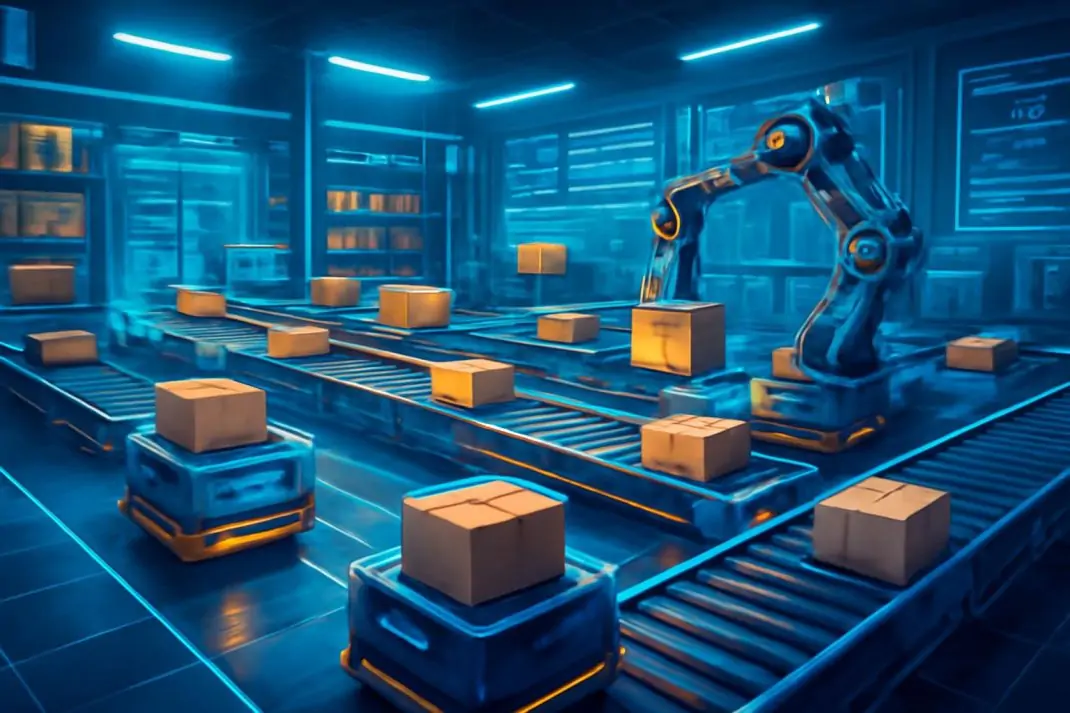
Modern logistics companies operate in a world of constant change. Supply chains stretch across borders, demand fluctuates rapidly, and customers expect flawless delivery. To stay competitive, these logistics companies turn to Third Party Logistics providers and advanced logistics management systems. This combination allows them to focus on core strengths while handling complexity with greater efficiency..
The Evolving Challenges in Logistics Operations
Logistics companies today grapple with complex supply chains that require precise coordination at every stage. From warehousing to transportation, the need for seamless integration drives the adoption of specialised solutions.
Rising Complexity in Supply Chain Coordination
Supply chains involve multiple stakeholders, each contributing to potential delays or inefficiencies. Logistics companies often struggle to maintain visibility across these layers, leading to fragmented decision-making. Third Party Logistics partners step in to handle specific segments, allowing core teams to focus on strategic oversight. This division of labour enhances overall logistics management by introducing expert handling in areas like inventory control and route planning.
Pressure for Faster and More Reliable Delivery
Customers expect timely fulfilment, pushing logistics companies to optimise every link in the chain. Internal teams may lack the bandwidth to innovate quickly, whereas Third Party Logistics providers bring dedicated infrastructure and processes tailored for speed. Integrating smart logistics management tools further amplifies this by automating tracking and predictive adjustments, ensuring reliability without constant manual intervention.
Core Benefits of Partnering with Third Party Logistics Providers
Third Party Logistics has transformed how logistics companies operate, offering scalable support that aligns with fluctuating demands. These partnerships extend beyond basic outsourcing, fostering a collaborative environment for sustained improvement.
Access to Specialised Expertise and Infrastructure
Logistics companies benefit immensely from the deep knowledge that Third Party Logistics entities possess in niche areas such as compliance and risk mitigation. By leveraging this expertise, firms can implement best practices in logistics management without building them from scratch. The shared infrastructure, including advanced warehousing facilities, reduces the burden on in-house operations and allows for smoother scalability during peak periods.
Enhanced Flexibility in Operations
One key advantage lies in the adaptability that Third Party Logistics introduces. Logistics companies can adjust service levels dynamically, responding to seasonal variations or unexpected shifts. This flexibility is bolstered by smart logistics management systems that provide real-time data, enabling quick pivots in strategy. Such responsiveness ensures that logistics management remains agile, preventing bottlenecks that could disrupt service continuity.
Risk Mitigation Through Diversified Approaches
Relying solely on internal capabilities exposes logistics companies to vulnerabilities like equipment failures or labour shortages. Third Party Logistics providers distribute these risks by offering redundant systems and contingency plans. In tandem with robust logistics management protocols, this approach minimises disruptions, safeguarding reputation and operational flow.
The Role of Smart Logistics Management in Modern Operations
Smart logistics management represents the technological backbone that complements Third Party Logistics partnerships. It harnesses data and automation to elevate efficiency across the board.
Integration of Real-Time Data Analytics
At the core of smart logistics management is the ability to process vast amounts of data instantaneously. Logistics companies use this to forecast demands and optimise routes, reducing inefficiencies. When combined with Third Party Logistics, these analytics inform shared decision-making, creating a unified view of the supply chain. This synergy allows for proactive adjustments, turning potential issues into managed outcomes.
Automation of Routine Tasks
Manual processes in logistics management often lead to errors and delays. Smart systems automate tasks such as order processing and inventory replenishment, freeing personnel for higher-value activities. Third Party Logistics providers increasingly incorporate these automations, ensuring that logistics companies receive streamlined services. The result is a more cohesive operation where human oversight focuses on exceptions rather than routine oversight.
Predictive Maintenance and Resource Allocation
Smart logistics management employs algorithms to predict equipment needs and maintenance schedules. This foresight prevents downtime, a critical factor for logistics companies handling time-sensitive cargo. Partnering with Third Party Logistics enhances this by pooling resources for better predictive accuracy, ultimately refining overall logistics management strategies.
How 3PL and Smart Logistics Management Work?
The true power emerges when Third Party Logistics and smart logistics management converge, creating a symbiotic relationship that drives superior performance.
Streamlined Communication Channels
Effective collaboration requires seamless information exchange. Logistics companies integrate their systems with Third Party Logistics platforms, facilitated by smart logistics management tools. This interconnectedness ensures that updates flow bidirectionally, minimising miscommunications and accelerating response times.
Customised Solutions for Unique Needs
Not all logistics companies face identical challenges, and Third Party Logistics providers excel in tailoring services accordingly. Smart logistics management adds a layer of customisation through configurable dashboards and alerts. Together, they enable logistics companies to address specific pain points, from regulatory compliance to carrier selection, with precision.
Continuous Improvement Loops
Both elements promote a culture of ongoing enhancement. Data from smart logistics management feeds into Third Party Logistics operations, highlighting areas for refinement. Logistics companies then benefit from iterative upgrades, ensuring that logistics management evolves in line with industry advancements.
Overcoming Common Hurdles in Adoption
While the advantages are clear, logistics companies must navigate initial barriers to fully embrace Third Party Logistics and smart logistics management.
Building Trust in Partnerships
Transitioning to Third Party Logistics involves ceding some control, which can raise concerns. Logistics companies mitigate this by starting with pilot programmes and clear contractual agreements. Over time, demonstrated results in logistics management build confidence, paving the way for deeper integration.
Training and Change Management
Introducing smart logistics management requires upskilling teams. Logistics companies invest in targeted training to ensure smooth adoption, often with support from Third Party Logistics experts. This preparation minimises resistance and maximises the return on these investments.
Ensuring Data Security and Compliance
With increased data sharing comes the need for robust safeguards. Logistics companies prioritise secure protocols in their logistics management frameworks, aligning with Third Party Logistics providers who adhere to stringent standards. This focus maintains integrity across all operations.
Future Implications for Logistics Companies
As technologies advance, the interdependence of Third Party Logistics and smart logistics management will only grow. Logistics companies that embrace this duo position themselves for long-term resilience.
The reliance of modern logistics companies on Third Party Logistics and smart logistics management stems from their unparalleled ability to address complexity, enhance flexibility, and drive efficiency. By outsourcing specialised functions to Third Party Logistics providers and leveraging intelligent systems for logistics management, firms achieve a competitive edge that internal efforts alone cannot match.
This strategic alignment not only resolves current operational challenges but also lays a foundation for innovation and sustained success in an ever-demanding industry. Adopting these tools is no longer optional; it is the pillar of progressive logistics management.