


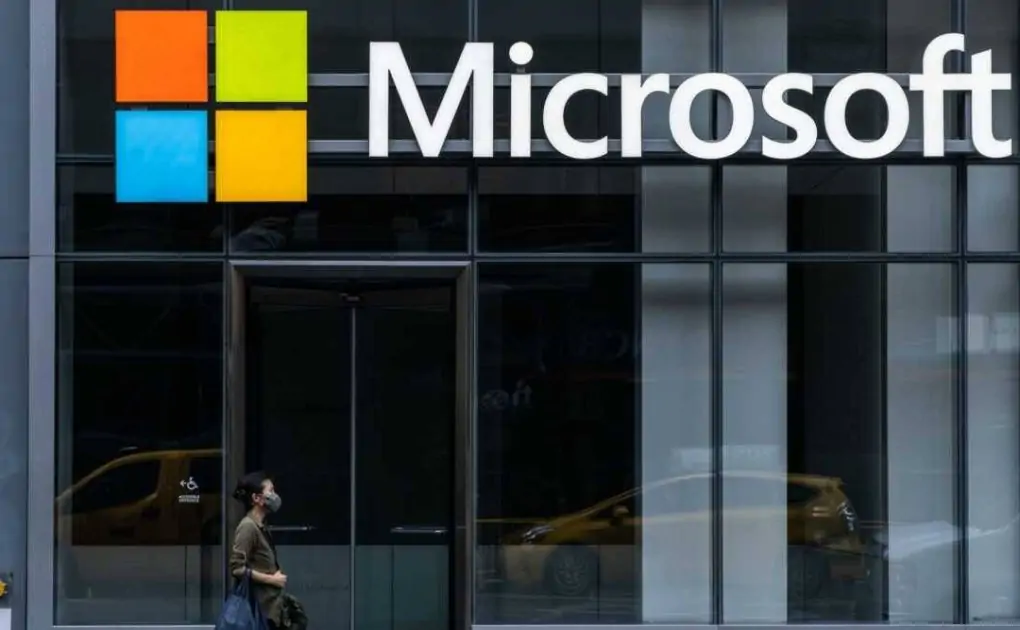
On 5 March 2021, then US national security adviser Jake Sullivan said the White House was closely tracking Microsoft's emergency patch for previously unknown vulnerabilities in Exchange Server, the company's mail server software. He added that the government was also following reports of possible breaches at US think tanks and defence industrial base organisations, and he urged network owners to patch as soon as possible.
Quick facts
| Detail | Information |
|---|---|
| Date | 5 March 2021 |
| Who | Jake Sullivan, then US national security adviser |
| Subject | Microsoft's emergency patch for Exchange Server flaws |
| Attacker named by Microsoft | HAFNIUM, assessed to be state-sponsored and based in China |
| Scale (early reports) | Around 30,000 US organisations |
What happened
Microsoft had released out-of-band security updates for Exchange Server after attackers started using several newly discovered flaws to get into organisations' email systems. Microsoft said the activity was carried out by a group it calls HAFNIUM, which it assessed to be state-sponsored and operating out of China.
Read also: Identifying Outliers and How to Remove Them: A Simple Guide for Beginners
How big it became
Early reports estimated that tens of thousands of customers could have been affected, with figures of around 30,000 US organisations cited at the time. At a briefing on 12 March, Sullivan said the government was still working out the full scope and warned that the attackers were likely still inside some Exchange systems.
What organisations were told to do
- Install Microsoft's emergency updates on all Exchange servers as soon as possible.
- Look for signs that a server was already compromised before it was patched, because patching does not remove an attacker who is already inside.
- Remember that only self-hosted Exchange servers were affected, not Microsoft's cloud email service.
This article summarises reporting from March 2021.
Read also: How to Become a Successful Data Scientist?
Frequently asked questions
What did the White House say about the Microsoft Exchange hack?
Jake Sullivan said it was closely tracking Microsoft's emergency patch and urged network owners to patch as soon as possible.
Read also: Poco teaser hints at new successor for F1, will likely be called Poco X3 Pro
Who did Microsoft blame?
A group it calls HAFNIUM, assessed to be state-sponsored and operating out of China.
Does patching remove an attacker already inside?
No. Organisations were told to check whether a server was compromised before it was patched.







Comments
No comments yet — be the first to share your thoughts.