

Looking to keep your vehicle on the road for as long as possible?
Most car owners feel like changing the oil and rotating the tires is enough. But there's one more thing…
Your car has leaks that are destroying it right now.
It may sound crazy, but the reality is that you probably don't even know they exist. The automotive segment holds 21% market share and is expected to see a CAGR of 6.5% throughout the forecast period.
The problem with this approach:
Traditional leak detection just isn't good enough anymore. Modern vehicles are extremely complex, with dozens of sealed systems that need to be working perfectly. When they aren't, you get expensive repairs, poor performance, and dangerous failures.
You'll learn:
-
Why Traditional Leak Detection Is Inadequate
-
Helium Leak Detection: The Science Behind It
-
Critical Vehicle Systems That Should Be Leak Tested
-
How Helium Leak Detectors Are Used by Pros
-
The Cost Advantages of Finding Leaks Early
Why Traditional Leak Detection Is Inadequate
The sad truth is most mechanics use antiquated methods to detect leaks.
Soap bubbles, pressure tests, and good old fashioned listening for a hissing sound. These are great methods if the leak is obvious. But they won't catch the small, hidden leaks that cause most of the damage.
The scary reality…
Micro leaks can be the most dangerous of all. A small A/C leak might not kill your car today, but it will slowly destroy your compressor over several months. A tiny brake line leak won't impact braking right now, but you run the risk of catastrophic failure later on.
Which is why your best option is to get versatile helium leak detectors. This professional equipment can find leaks so small, the traditional methods would never even know they were there.
Helium Leak Detection: The Science Behind It
You're probably wondering how helium is the best tracer gas…
Well, the atoms are teeny-tiny. Smaller than any other gas. They can get through the tiniest of gaps that other larger molecules couldn't penetrate through even if they tried. Oh, and helium is totally inert. It will never react with your vehicle in any way and will do no damage.
The entire process is simple:
-
Helium is fed into the system being tested
-
A special detector is used to scan for escaping helium
-
Microscopic leaks are discovered and located
-
The precise leak rate is measured
That's the beauty of it.
Advanced helium leak detectors can pinpoint leaks as small as 1 part per million. A pinhole that would otherwise be undetectable.
Critical Vehicle Systems That Should Be Leak Tested
Your car or truck has more sealed systems than you may realize.
Air Conditioning Systems are an obvious choice. After all, no one wants to be stuck in a sweltering car on a hot day. Refrigerant leaks can do serious damage to expensive compressor components. Not to mention harm the environment if they aren't captured.
Brake Systems are next on the list. Leaks become deadly here. No matter how small a brake fluid leak is, it will lead to complete brake failure at some point in time.
Did you know that up to 3% of vehicles still leave the assembly plant with water or moisture inside? That can lead to a compromised brake system.
Fuel Systems also need to be 100% sealed to avoid dangerous vapor leaks. It also plays a big role in the performance of the engine. Modern fuel injection systems work at extremely high pressures, so leak detection is critical.
Engine Cooling Systems need to be completely sealed. Any leaks can lead to overheating. As you know, that's a very serious problem.
Transmission Systems have sealed hydraulic circuits. Fluid leaks result in poor shifting, slipping, and eventual failure.
How Helium Leak Detectors Are Used by Pros
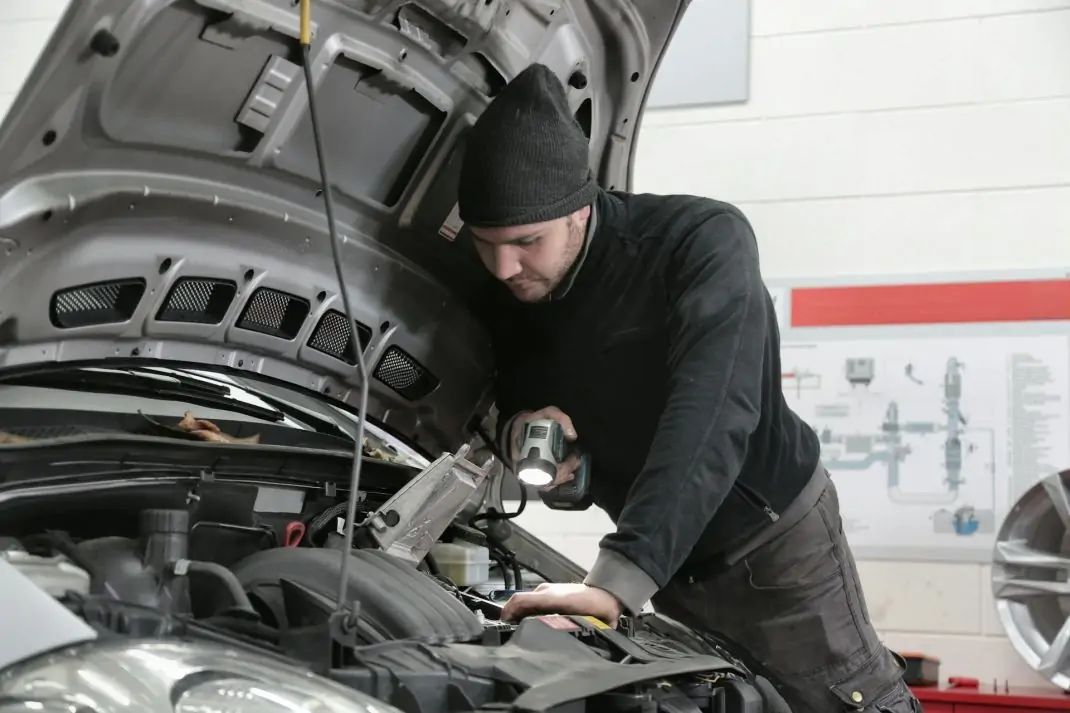
If you've ever been to a professional mechanic, then you have probably noticed the difference.
They start by pressurizing the suspect system with a helium rich gas. Then they use the leak detector to scan all the connections, seals, and potential leak areas.
This is what makes it so useful:
The detector provides instant feedback. You don't have to wait for the pressure to drop or watch for soap bubbles. Your mechanic can quickly find even microscopic leaks.
This means faster diagnosis and repair. They can pinpoint the exact problem and repair only the faulty component, not replace entire systems.
The Cost Advantages of Finding Leaks Early
You probably assume helium leak detection is expensive.
You'd be wrong.
Finding a small AC leak early can cost you $200 to fix. Wait until the compressor fails and you're looking at $1,500 or more.
How about a tiny brake fluid leak caught early? All it takes is $50 to replace the seal. Miss it and you might need a complete brake system rebuild which can run you thousands of dollars.
But here's the real kicker…
Early detection of leaks prevents other damage. When your cooling system has a small leak, it's not just losing coolant. It's also pulling air into the system. That causes corrosion and can damage other components.
Even small leaks can lead to big problems when left unchecked.
The Technology Revolution
The helium leak detection industry is booming.
The global automotive leak testing market is projected to grow from $399.9 million in 2023 to $584.5 million by 2030. That's an indication of how important this technology has become.
What's driving all this growth?
Cars are getting more complex each year. Electric vehicles have sealed battery cooling systems that need to remain leak-free. Hybrid cars have all these different fluid circuits. Even traditional gasoline engines now have complicated emission control systems that must be sealed tight.
Newer leak detectors are also getting smarter. Many now work with the diagnostic computer and can automatically log leak locations and rates.
Professional vs DIY Detection
Should you buy your own helium leak detector?
In most cases, the answer is a resounding no. Professional grade equipment can run in the thousands of dollars. Plus, it takes training to know how to effectively use it.
That being said, knowing about the technology will help you make informed decisions.
When your mechanic tells you there's a "small leak," ask them how they detected it. If they are using modern helium leak detection equipment, then you can trust their diagnosis.
Many independent mechanics are investing in this technology. They know it will help them do better work for their customers by finding problems other shops miss.
The Future of Automotive Leak Detection
Technology is only going to get better from here.
Newer detectors are more sensitive, faster, and easier to use. Some now detect multiple gases at once, making them useful for testing different types of systems.
The next big thing is integration with digital systems. It won't be long before leak detectors can automatically upload results to your car's maintenance records. Or maybe even predict future component failures months in advance.
How to Make Smart Maintenance Decisions
The more you know about helium leak detection, the better decisions you can make about maintenance and repairs.
It also helps you choose the right service provider. The bottom line is, leak detection technology is revolutionizing the automotive maintenance industry. Cars that get proper leak testing will last longer, perform better, and cost less to maintain over their lifetime.
In Summary
Helium leak detectors are already changing the way we maintain cars and trucks. The technology helps us find problems before they become major and expensive failures. It also saves us money and prevents dangerous situations from occurring.
Automotive industry adoption of helium leak testing technology is growing rapidly. These days, the list of car systems that benefit from proper leak detection is extremely long.
Air conditioning systems, brake circuits, and fuel lines are just a few of the car components that must remain perfectly sealed to operate as designed.
Smart car owners know to choose service providers who use modern leak detection equipment. It's an investment in your vehicle's longevity and your family's safety.


