
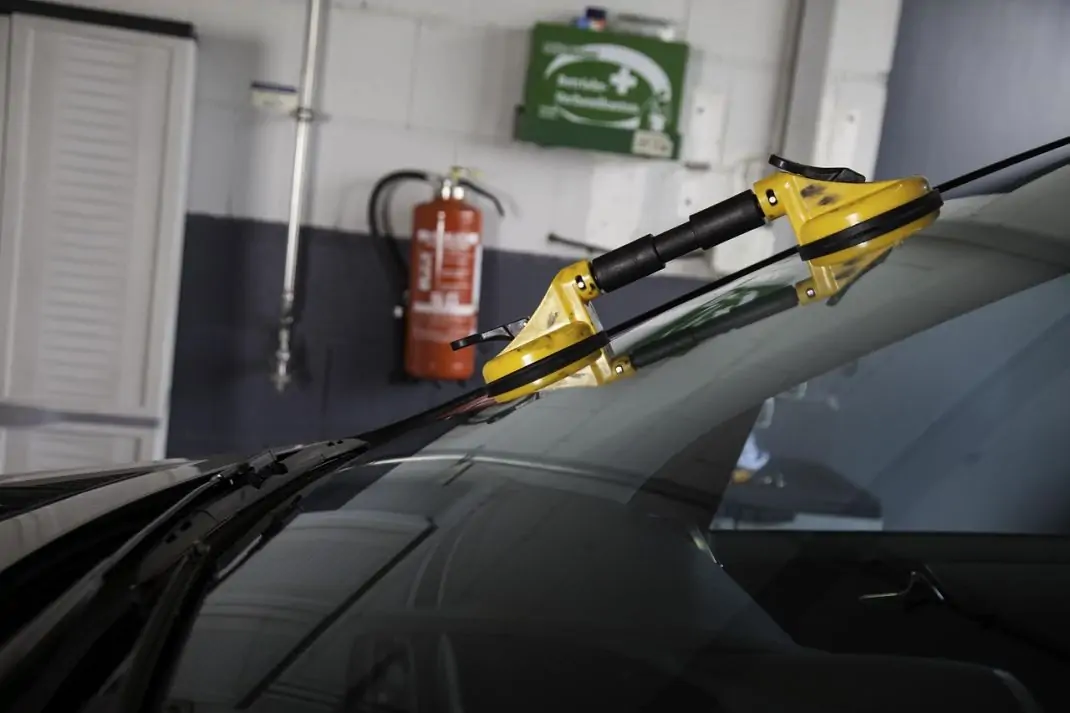
Cracked windshield and just had the auto glass repaired?
Take a sigh of relief and head back to your vehicle to get back on the road…
Right?
Think again.
It's the next steps where most car owners make the critical mistake of cutting corners and rushing the post-repair process.
Here's the frustrating part, though.
Your windshield is actually more likely to fail and need replacement because of improper post-repair care than during the repair process itself.
That's frustrating.
Here's how to avoid that from happening, though.
In This Article You'll Learn:
-
Best Practices for Safe Auto Glass Post-Repair Care
-
Heat Is Your Repair's Enemy
-
Temperature Control in the First 24 Hours
-
Long-Term Safety Recommendations for Cured Repairs
-
When Professional Post-Repair Care Is Required
Temperature Control for Safe Auto Glass Post-Repair Care
Alright, true story here: the biggest mistake made after getting a windshield repaired is…
Racing back onto the road too quickly.
For immediate auto glass repair done right by trained professionals, the urethane adhesive must cure before the windshield is put back under stress.
Adhesive curing is a safety issue, not a recommendation.
Done correctly, adhesives can provide incredible strength to automotive glass. The American Safety Council estimates that windshields provide up to 45% of overall structural strength in a front-end collision and up to 60% in a rollover accident.
A failed post-repair care regimen is a direct safety risk to passengers in the event of an accident.
It can be too easy to ignore the details of post-repair care.
That's a mistake.
Auto glass repair services should take the time to clearly communicate specific aftercare instructions based on the repair adhesive used and vehicle itself.
You'll hear this a lot in the auto glass repair world: not all adhesives are the same.
Windshield adhesive is often sold as a complete unit (trim with urethane) to independent installers from a variety of manufacturers.
Adhesives have different "set" or cure times and require slightly different care after installation.
During the first 24 hours, these three factors are the most critical:
-
Temperature
-
Pressure
-
Stress
Your repair provider should be specific about which one(s) apply to your vehicle and repair.
Keep reading for all the details.
The First 24 Hours: Post-Repair Heat Safety
Here's a question.
What's the #1 most important rule after having your windshield repaired?
If you said it's letting the repair fully cure before getting back on the road, you're dead right. It's that first 24-hour window where temperatures are the most important.
It's a bit of a safety paradox: the need for quick return to useable condition vs. allowing the repair to properly cure.
The risk is driving off with a windshield that's not yet fully cured, which can result in catastrophic failure.
Extreme heat is an enemy to the initial adhesive bond in the first 24 hours after a windshield repair is done.
While your windshield is still curing, keep it out of direct sunlight and extreme heat or cold as much as possible.
Try to keep your car parked in a garage or shaded area during the day. Leave a window down slightly to help equalize pressure inside and outside the vehicle. Extreme heat from a closed vehicle can cause adhesives to soften and deform.
Temperature Control for Maximum Repair Safety
Remember how we just mentioned not putting your vehicle under pressure or stress?
One of the biggest offenders during the initial 24 hours is…
Pressure changes inside the vehicle.
Your repaired windshield will be vulnerable until fully cured. A pressure difference on each side of the glass can cause stress to the new adhesive bond.
Here are the main "pressure" culprits to avoid during the first 24 hours:
-
Slamming doors
-
Automatic car washes
Slamming the doors on your vehicle, either when getting in or out or otherwise, can create a positive pressure on one side of the windshield that can push against the adhesive bond before it's fully cured.
Pressure changes inside a vehicle can stress an uncured adhesive bond. It may not seem like a big deal when you slam your doors or other common causes of pressure changes, but every little bit of stress adds up.
Don't wash your vehicle for at least 24 hours after a repair is done. High-pressure washing will force water into the repair area and potentially cause the adhesive to fail.
Temperature Control for Long-Term Repair Safety
Once the adhesive has fully cured, you can treat it just like the original windshield…
Except you should wash and wax your vehicle regularly and watch for other signs of wear and tear.
Here are the biggest threats to your windshield repair long-term:
-
Extreme heat, cold or sun
-
Vibration from rough roads
-
Impact to the windshield area (ie. road debris)
-
Aggressive washing
-
Sharp changes in weather or temperature
Extreme heat, cold or sun can all be a factor in long-term damage to your windshield repair. The most visible result of heat damage is the permanent distortion of tempered glass windshields. However, extreme heat can also lead to the adhesive bond degrading over time.
Vibration from rough roads, especially for heavy trucks and commercial vehicles, can stress a windshield repair over time. Impact to the windshield, whether from road debris or other objects, is another source of potential damage. Regular washing is good but avoid high-pressure washing directed at the repair.
Sharp changes in weather or temperature, such as taking your vehicle from an air-conditioned garage into direct sunlight, can lead to stress on the adhesive bond in the windshield. These types of changes are most common in the extreme seasons: very cold or very hot.
Professional Post-Repair Care Safety: Avoiding Temperature Damage
Extreme heat and other temperature-related damage is one of the most common culprits in repaired windshields needing to be replaced sooner than they should.
Does your windshield repair need pro-level aftercare to avoid heat damage?
Generally, no, but there are exceptions.
Be sure to pay attention to the post-repair instructions from your service provider.
If there are any concerns or questions, it never hurts to call them back and confirm you're on the right track.
Repair failures due to temperature and other factors may be covered by your provider's warranty.
Be sure to know what your rights and responsibilities are in the event of an early repair failure.
Final Thoughts on Post-Repair Auto Glass Safety
You can think of the initial 24 hours after a windshield repair as the critical "cooling" period.
Avoid high temperatures, stress and pressure as much as possible. This will give your adhesive the time it needs to fully cure and protect your windshield repair long-term.