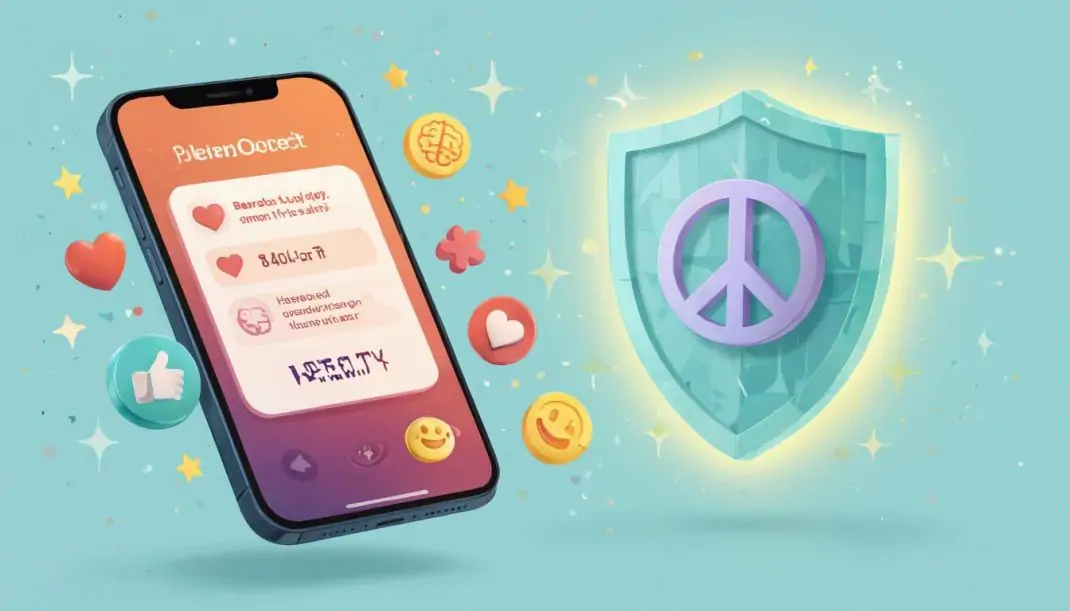
When the weight of personal challenges becomes overwhelming, many find solace in the digital realm where anonymity provides a unique sanctuary. Safe online environments have emerged as havens for those seeking emotional support, understanding, and advice through anonymous chat.
Anonymity and its Effect on Mental Health
The protection that anonymity provides lets people strip away the layers of those closest to them. This can create a freedom of a kind, where personal issues can be aired without the controls of society or our perceptions there of. Being immersed in that veil of anonymity, the biases and judgments are quickly removed, and what remains is a clearer foundation for an honest conversation.
For people dealing with mental health issues, the anonymity is a critical shield against blowback in their personal and work lives. Since their confessions or admissions will not reverberate beyond the registrationless void, people feel more comfortable letting loose skeletons they wouldn’t otherwise share. This creates security and ease which is a healing environment.
Moreover, the anonymous nature of online interactions can significantly reduce feelings of loneliness and isolation. Encountering others with similar struggles provides reassurance and a sense of community. It's not uncommon for anonymous exchanges to facilitate strong connections grounded in empathy and shared experiences.
As anonymity eliminates the fear of exposure, it can greatly contribute to an individual’s willingness to seek help and engage in self-exploration. Anonymity helps mitigate the risk of encountering stigma, a common barrier which often prevents people from reaching out and receiving the support they need.
The Role of Safe Online Chats in Providing Emotional Support
Secure web chats, meanwhile, have become a first-line source of help for people looking for mental-health support. These provide a safe space where individuals may share their emotions, thoughts and experiences in an anonymous/noncritical atmosphere. With chat support, students can ask questions whenever they are feeling troubled, and help is right there, at the moment of need.
For those who find traditional therapy inaccessible or intimidating, an anonymous chat box provides a different route to emotional support. These platforms also tend to be less complicated and more approachable, reducing the barriers of entry when it comes to therapy and address mental health concerns especially when crisis instances come up or immediate-day-of-sitting-on-a-couch advice is needed.
In addition, safe online chats frequently feature trained moderators or qualified mental health professionals who are capable of leading a conversation and making necessary interventions. Thus, users do not only get the company but also access to well-informed advice and emotional management tools.
The communal nature of these online spaces is even larger than that. The peer-to-peer interaction that ensues and becomes part of the users’ experience is nothing short of a goldmine for collective wisdom that has been tried, tested and worked for other people. This form of peer support can be very validating and empowering when it is received from people who have really seen the emotional side of things.
Understanding the Therapeutic Benefits of Expressing Yourself Freely
There are many therapeutic advantages in expressing freely. When people are able to express their feelings openly and freely, they will inevitably experience much relief of emotion and stress. Vocalising emotions can bring clarity and perspective that you can’t get from introspection.
This type of expression can be quite healing, especially in the somewhat anonymous world of an online chat: there is no pressure to pretend or censor oneself because what could any person do to you? The catharsis of offloading one's emotional baggage in a space intended to be therapeutic can be a first step towards healing.
Moreover, the process of writing about one's experiences has been shown to have positive effects on mental health. It encourages mindfulness, allowing individuals to disconnect from the chaos of their thoughts and focus on the present. This mindful practice, facilitated by the opportunity to type out one's thoughts, can be substantially healing in and of itself.
And because these chats are anonymous, there is a freedom to try on personas. You might discover how to communicate how you feel, who you are inside or view yourself in a different light - thus growing, learning and understanding more about oneself.
In the end, we're all on our own path to mental health and privacy can be a strong enabler there. While we still have a long way to go in terms of overcoming the stigma that prevents people from seeking mental health treatment, the anonymity and impersonality provided by online channels are an encouraging start for many who feel as if they don’t want their battle against mental illness to be so personal.