

In an unexpected twist that shook India’s political circles, Congress leader Rahul Gandhi’s so-called “Hydrogen Bomb” press conference became the talk of the nation — not only for its explosive claims about electoral fraud in Haryana but also for the mysterious appearance of a Brazilian model’s photograph at the heart of his allegations.
The story that unfolded connected politics, technology, and the internet’s global reach in a way that felt straight out of a digital-age thriller.
The “Hydrogen Bomb” Press Conference
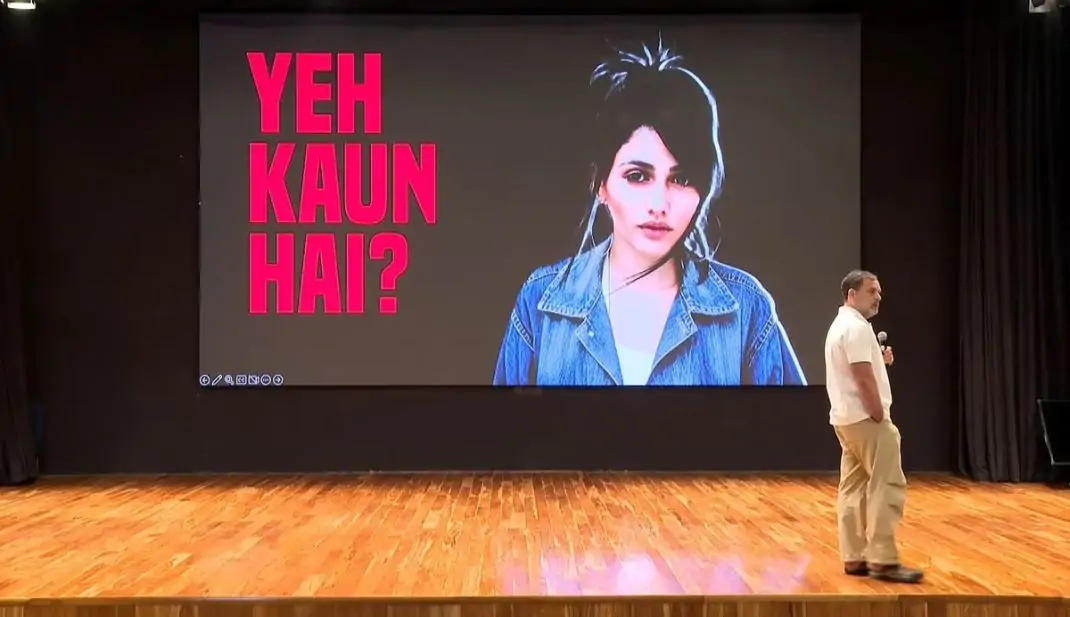
Rahul Gandhi’s press conference, described by his team as a “Hydrogen Bomb” moment, was aimed at exposing what he called large-scale voter list manipulation during the Haryana Assembly elections. Gandhi claimed that a single woman’s image — that of a Brazilian model — appeared 22 times in the voter list for Haryana’s Rai Assembly seat.
Holding up the photograph before reporters, Gandhi asked a series of pointed questions:
“Who is this lady? How old is she? Which state does she come from? What’s her name?”
When someone in the room remarked that the woman looked foreign, Gandhi replied:
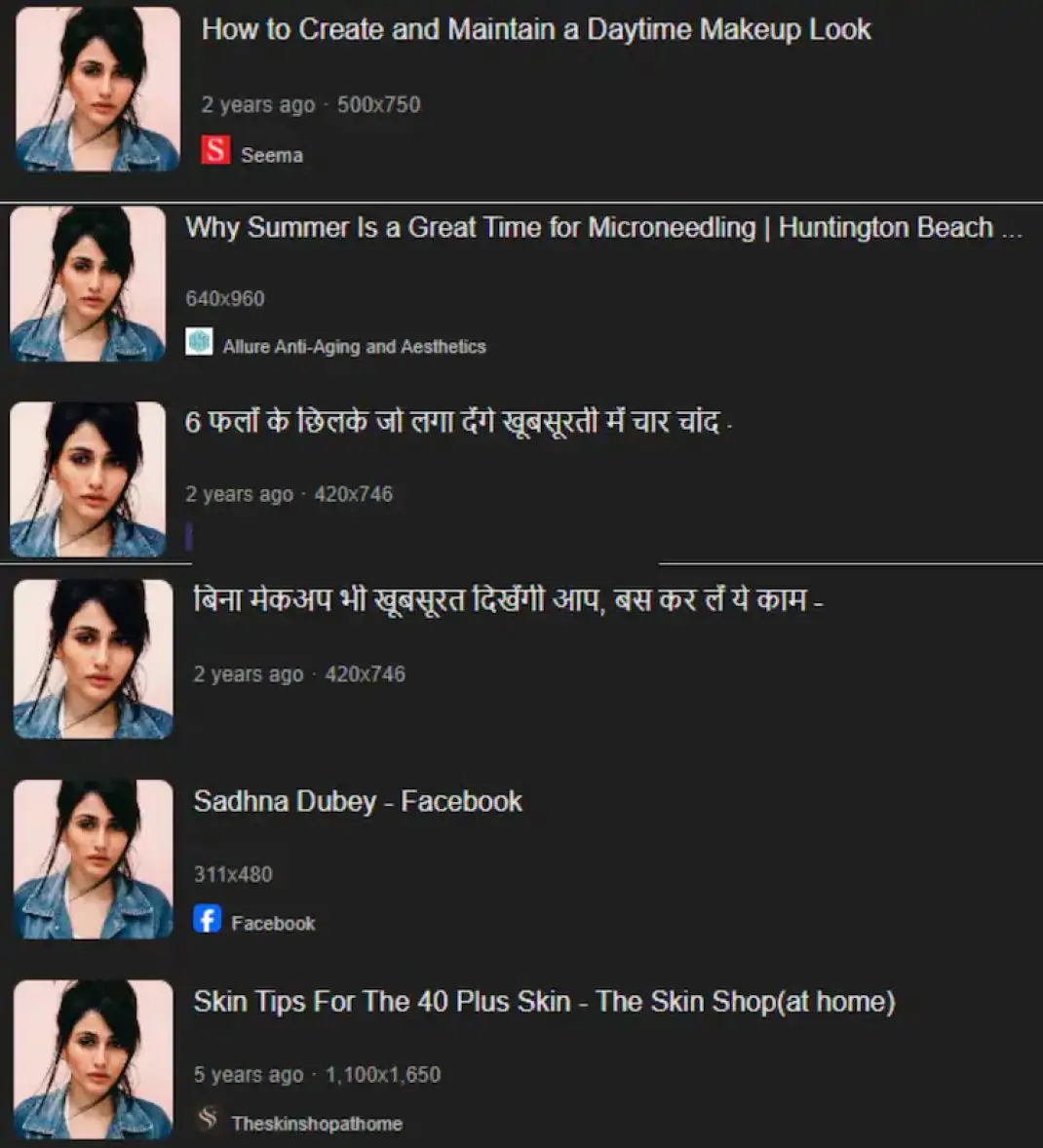
“But she votes 22 times in Haryana. She has multiple names — Seema, Sweety, Saraswati, Rashmi, Vimla. This is a centralised operation.”
According to him, the duplication was not an accident but a centrally coordinated effort to manipulate voter data and favor the ruling Bharatiya Janata Party (BJP).
ALso read: Flossie Clegg Age, Net Worth, Boyfriend, Family, Height and Biography
The Mystery Behind the Brazilian Model
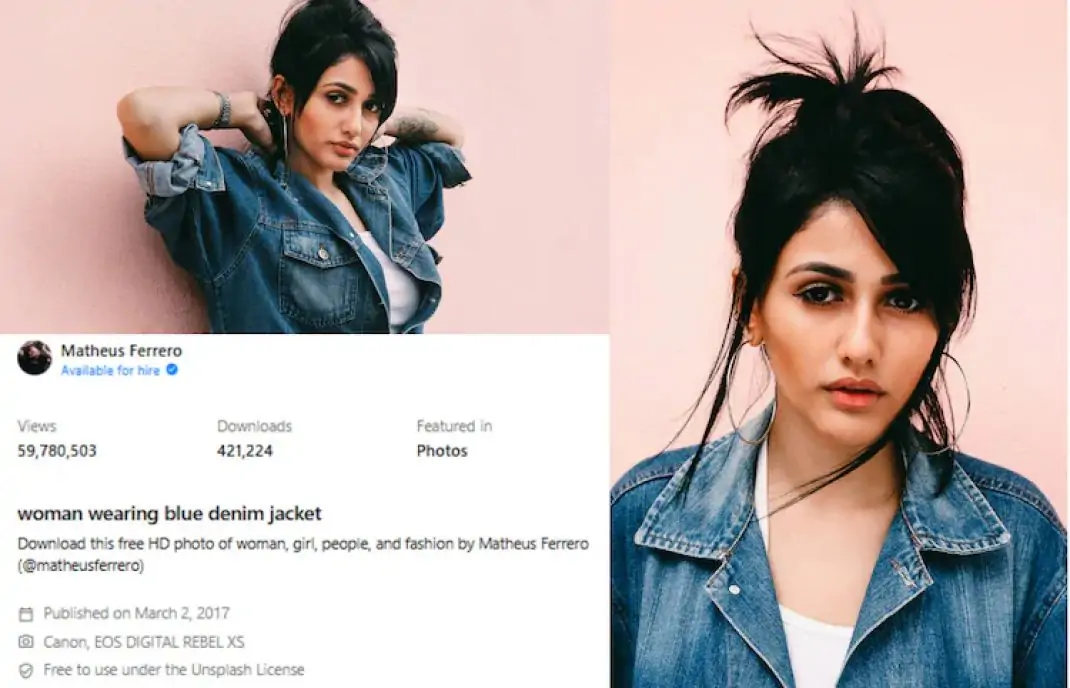
The photograph that Rahul Gandhi showcased wasn’t just any image — it was a widely used stock photo titled “woman wearing blue denim jacket”, originally published on Unsplash by Brazilian photographer Matheus Ferrero on March 2, 2017.
The model, believed to be from Belo Horizonte, Brazil, has remained unnamed, as is often the case with free stock photography. The photo itself has been downloaded over 400,000 times across platforms like Unsplash and Pexels, making it one of the internet’s most widely circulated stock images.
However, soon after Gandhi’s press conference, the original Unsplash page began showing a 404 error (Image link), leading to widespread curiosity about its sudden disappearance. Fortunately, the page has been archived and preserved on the Wayback Machine — and can still be viewed at this link:
http://web.archive.org/web/20250625035547/https://unsplash.com/photos/woman-wearing-blue-denim-jacket-W7b3eDUb_2I
This preserved record is key evidence that the photo indeed originated as a stock image, not a real voter.
A Web of Duplicates
Rahul Gandhi went further, claiming that the same photo appeared 100 times in another voter list — suggesting a systematic duplication designed to inflate or manipulate votes.
The name of the Brazilian Model seen in @RahulGandhi's press conference is Larissa. Here's her reaction after her old photograph went viral. pic.twitter.com/K4xSibA2OP — Mohammed Zubair (@zoo_bear) November 5, 2025
“This lady gets to vote 100 times in Haryana if she feels like,” Gandhi said. “This is to create space so that anyone can vote — so that BJP people can move from other states and vote.”
He also alleged that another woman’s photo appeared 223 times in voter records across two polling booths — evidence, he said, of intentional tampering.
In his view, the Election Commission’s refusal to release CCTV footage from polling booths was not procedural but deliberate, meant to cover up irregularities. Gandhi questioned:
“The Election Commission can remove duplicates in a second. Why don’t they do it? Because they are helping the BJP.”
The Broader Accusations
Gandhi’s accusations went beyond voter list duplications. He suggested that the Haryana election results — which saw the BJP win despite exit polls predicting a Congress victory — were manipulated post-election.
He cited a video of Haryana Chief Minister Nayab Singh Saini, who allegedly said before the results that “arrangements” had been made to ensure a BJP win. Gandhi’s implication was clear: that “arrangements” referred to vote manipulation, not campaign success.
“I am questioning the Election Commission and the democratic process in India,” Gandhi said. “We have 100 per cent proof that a plan was put in motion to convert Congress’s landslide victory into a loss.”
The Election Commission and BJP Response
Officials from the Election Commission pushed back, questioning why Congress polling agents didn’t flag such duplications during voting. One EC source remarked:
“Polling agents are supposed to object if an elector has already voted or if they doubt the identity of the elector.”
They also noted that the Commission regularly conducts Special Intensive Revision drives to remove duplicates and outdated voter entries — implying that the Congress’s oversight, not the EC’s inaction, was to blame.
Meanwhile, Union Minister Kiren Rijiju dismissed Gandhi’s allegations outright, calling them “fake issues.”
“Polling is happening in Bihar, yet he’s telling stories about Haryana,” Rijiju said. “There’s always a difference between opinion polls and actual results. We never made such allegations when we lost.”
He also accused Gandhi of trying to “provoke the youth,” asserting that India’s young voters remain firmly behind Prime Minister Narendra Modi.
The Internet’s Role in Political Storytelling
What makes this story particularly fascinating is the way a stock image from Brazil became a political flashpoint in India. It highlights how digital media and global image repositories can unintentionally blur lines between real people and symbolic representations — especially in high-stakes political narratives.
In this case, a photo meant to be freely used for creative projects found itself cited in allegations of election rigging thousands of miles away. It’s a reminder that in the digital era, context is everything, and even a harmless image can gain explosive significance depending on where and how it’s used.
ALso read: Perry Mattfeld Net Worth, Husband, Age, Movies, Wedding, Instagram And Much More
Conclusion
Rahul Gandhi’s “Hydrogen Bomb” press conference has opened up deep questions about the integrity of India’s electoral data, the accountability of election authorities, and the manipulation of digital assets in political discourse.
While the truth about Haryana’s alleged “vote chori” (vote theft) is still under investigation, one fact is undeniable — a simple stock photo from Brazil has sparked one of India’s most talked-about political mysteries of the year.
As India’s democracy increasingly intersects with technology and global digital platforms, transparency and verification will be more vital than ever.
Stay tuned for more verified updates and factual insights, only on SociallyKeeda.com — where we bring clarity to the stories that matter.


