
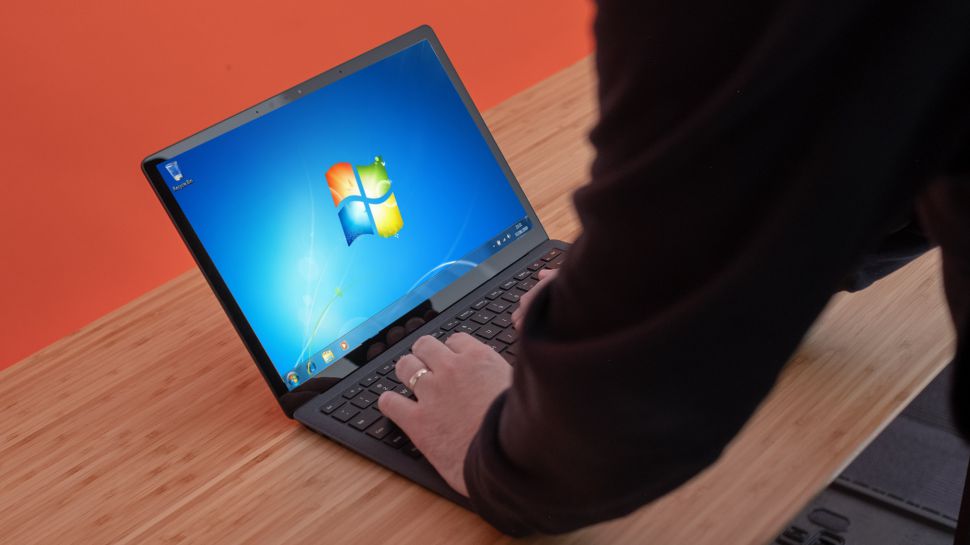
Microsoft is lastly retiring its Windows Thin PC product on October 12, 2021, after nearly a decade in service.
Launched in 2011, Microsoft launched Windows Thin PC to assist prospects repurpose their present, however under-powered PCs as skinny purchasers, giving customers a cheap various to digital desktop infrastructure (VDI).
Read also: One Recharge, 25 Streaming Platforms: How Airtel Bundles OTT Into Prepaid Plans
While Windows Thin PC was well-received on launch, over time nevertheless, it pale from the limelight, with the supply of extra helpful, and feature-rich alternate options, together with the evaporating cost-disadvantages of VDI.
“For organizations still maintaining Windows Thin PC, Microsoft recommends that you consider moving to a newer remote desktop client,” instructed Microsoft within the temporary reminder.
Read also: AI Spending Boom: Google's Forecast Hike and the Question of Returns
Thin isn’t in
Windows Thin PC is a stripped down model of Windows 7 for Windows XP-running PCs that lacked the assets to support the complete model of Windows 7.
The product was aimed primarily at enterprise customers to assist firms expertise the very best of Windows 7, whereas saving on the {hardware} improve prices on their present computer systems.
Read also: The Benefits of IT Services for Businesses With Growing Client Portfolios
Despite being named Thin, Windows Thin PC didn’t run on skinny consumer gadgets. However the product did provide an exquisite skinny consumer expertise thanks to make use of of options similar to RemoteFX to allow distant desktop purchasers to make use of the graphics {hardware} on the distant server.
Of course, computing has moved quite a bit within the final decade and with the supply of feature-rich distant desktop platforms, it was solely a matter of time earlier than Windows Thin Client joined Windows 7, which itself reached finish of life in 2020.