Fast possessions, quick substitutions, and loud crowds can make a small court feel like a maze. Casual viewers often miss why a coach calls time, why a point is wiped for a foul, or why the defense suddenly shifts shape. A little structure solves most of that confusion. With a simple way to track who is on the mat, a plain-English view of fouls, and a calm plan for timeouts, any match becomes readable in minutes.
The aim here is not a rulebook. It is a clear routine that keeps attention on what matters – who is available to attack, where the risky tackles might emerge, and how coaches squeeze value from the clock. Once those pillars are in place, replays feel richer, and live moments make sense at full speed.
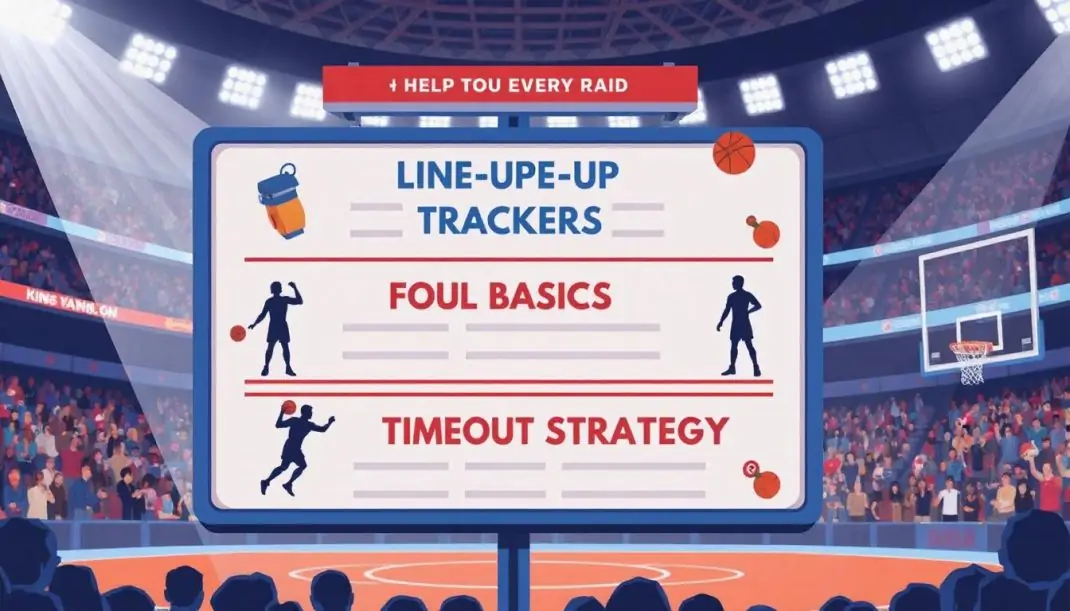
Build a quick line-up tracker that actually helps
A tiny “who’s on” panel makes every possession easier to read. At the start of each half, note the seven starters, then mark exits and returns with short symbols rather than long texts. If a neutral reference is needed during breaks, a calm explainer sits kabaddi online betting app – treat it as a glossary and return to the match with the same shorthand.
The tracker does three jobs. First, it shows whether a team still qualifies for bonus pressure – six or more defenders on the mat – or whether numbers have dropped and the defense can retreat. Second, it highlights fatigue. When the same corners stay on for long stretches, expect slower closes and more ankle hunts than thigh wraps. Third, it explains coach choices. A late attacking substitution often telegraphs a push for two quick possessions before the break.
Names can stay short – initials plus role. The value is not presentation. It is the glanceable snapshot that tells whether a team can press up to the midline or must sit deeper and protect exits.
Foul basics without the jargon
Fouls remove clean points and turn applause into groans. Most confusion comes from a few repeat offenders who punish over-eager tackles or careless exits. A single, compact list covers nearly every situation a casual viewer will see
-
Illegal holds – Grabs above the shoulder, hair pulls, or twisting joints negate the tackle and can add penalties.
-
Out-of-court contact – Defenders who step out before a tag are out; contact from beyond the line does not count.
-
Double touch on exit – A raider who re-enters the bonus area without a defender touch can be ruled out on return.
-
Early or late starts – Moving before the whistle or after the chant timer breaks the flow and hands advantage away.
-
Unsportsmanlike delays – Blocking exits without a valid hold or crowding the midline after the whistle can draw warnings or points.
Why this matters for a viewer is rhythm. Foul risk rises when formations push high for bonus denial or when a side is chasing a big swing near the end. Watch feet near lines and hands near shoulders – the fastest foul reads begin there. Clean, central tackles age well on replay. Chaotic edge grabs invite whistles.
Timeout strategy – how coaches turn seconds into points
Timeouts serve two purposes: reset energy and reshape probability. Coaches do not call them at random. Three windows repeat across matches.
The first is the momentum brake. When two quick points swing the scoreboard, a timeout stops the sprint and lets the defense reset spacing. Expect a calmer, deeper line on the next possession. The second is the launch pad. With a few seconds left in a half, a timeout sets up one final, scripted attack that aims for a safe touch plus a forced error. The third is the rescue. When numbers on the mat drop to five and the bonus disappears, a timeout gives breath to the key tacklers and lets a captain remind everyone that exit lanes, not big hits, are the priority until numbers are restored.
Good broadcasts make these goals visible. Look for coaches drawing a narrow lane on the board – that signals a funnel to an ankle hold. Look for a finger tap on the clock – that signals a slow entry, fast exit, and no risk of late fouls. Timeouts are not just a rest. They are a chance to change where the next contest will happen.
Reading possessions in real time
Possessions look chaotic until a few cues become habits. Start the view at the midline. Count defenders – six or more means bonus is live and the defense will crowd the stripe; five means no bonus and a deeper posture. Scan the two corners. If they inch inward, the team wants to shut the exit and force a fall. If they sit back, the team wants a long reach that can be trapped with a late wrap.
Feet decide outcomes as much as hands. Balanced entries with small steps telegraph caution; long, reaching steps telegraph ambition. After a point or whistle, do not watch the replay immediately. Watch substitutions. Coaches often swap in a fresh specialist for a two-possession burst, which explains why the next action happens faster than the previous one.
Audio carries more signal than most fans expect. A quick chant and shallow breaths often precede clean, low-risk possessions; a louder cadence hints at a push for multi-point swings. When the arena volume spikes after a non-event, suspect a foot over the line or a delayed foul call that wiped a would-be highlight.
A smarter way to watch the next close finish
Close games compress nerves and magnify small choices. A simple plan keeps heads clear. Keep the line-up tracker active so defender count is never a guess. Place attention on lines rather than bodies – midline, bonus stripe, and sidelines are where most late calls live. Treat fouls as part of the tactics, not accidents, by asking one question before each possession. Is the defense hunting a trap up high or protecting exits down low? If the next whistle flips a point, the reason will already be visible.
Broadcast graphics can help without overwhelming the screen. Scorebug arrows pointing up or down often indicate recent momentum; possession dots and timeout icons tell how many structured chances remain. When a coach taps the board with two fingers, expect a quick exchange that trades time for stability. When a captain waves teammates forward and spreads arms wide, expect pressure on the stripe and a higher chance of whistle-worthy contact.
Strong viewing is not about memorizing a glossary. It is about seeing the same landmarks coaches see – who is available, where the space is, and how the clock can be bent. With a pocket-size tracker, a plain read on fouls, and an eye for timeout cues, casual viewers can follow every possession like a local, from the first measured entry to the last, breath-held return over the line.