


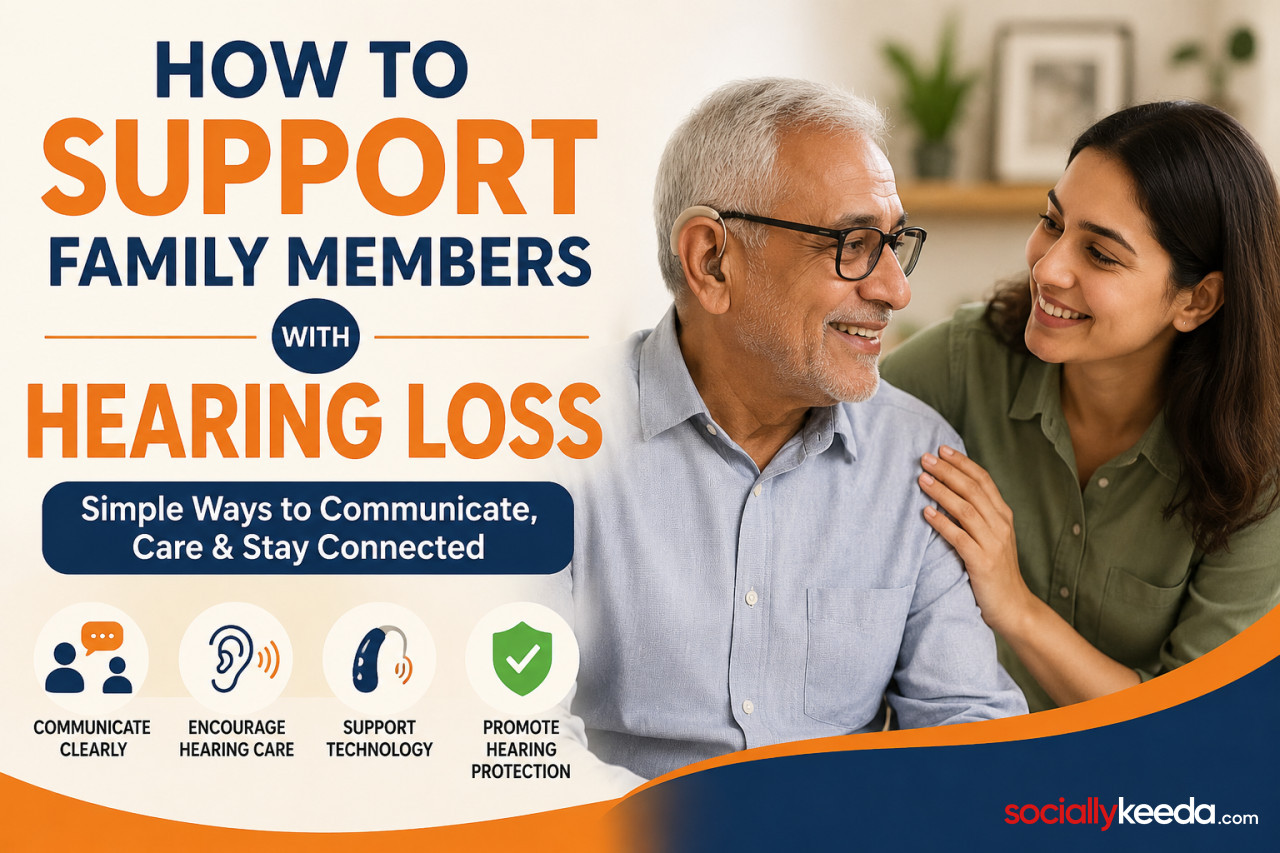
Hearing loss affects how individuals communicate, maintain relationships and participate in daily tasks. Relatives assist by learning effective communication methods and providing help that maintains the individual's autonomy. Recognizing specific requirements plus respecting independence creates comfortable environments at home and in public.
Communicate Clearly
Conversations become easier when you secure a listener's attention before speaking. Stating a name, maintaining eye contact and facing the individual directly allows them to follow speech. You are more helpful when you speak at a natural speed because shouting distorts sounds but also increases difficulty in comprehension.
Ambient noise often creates barriers to understanding. You make conversations easier by turning down televisions, moving to silent rooms or selecting quiet restaurants. Relatives are most effective when they avoid speaking from different rooms, as visual cues assist the listener in identifying sounds.
Read also: How to Decide When a Health Concern Needs Professional Advice
Encourage Hearing Care
Family members promote medical care by treating hearing loss as a standard health matter. A clinical assessment determines the specific type and severity of hearing impairment. Seeking professional advice early ensures that clinicians identify changes in auditory health quickly.
Hearing aids are tools that improve access to speech and environmental sounds based on individual requirements. Individuals researching hearing aids Toronto services should consult with qualified professionals to learn about their options. Relatives can be supportive by attending appointments if they are requested while also allowing the individual to make their own medical decisions.
Manage Social Situations
Social gatherings are tiring for those with hearing loss because they must focus intensely to understand speech. Large groups as well as crowded venues are often difficult to navigate. You assist by selecting quiet locations, ensuring the individual is part of the group and verifying that they follow the discussion.
Read also: Nose Blackheads: A Step By Step Guide To Remove Blackheads On Nose
Direct communication is essential. Do not speak on behalf of the individual. You allow them time to respond and include them in conversations. When multiple individuals speak simultaneously, you help by encouraging guests to speak one at a time. These adjustments lower frustration and allow the individual to remain an active participant.
Support Hearing Technology
Users of hearing devices often require time to adjust to new equipment. Relatives are helpful when they learn basic information about the technology and acknowledge that devices do not restore perfect hearing. Certain voices or environments remain difficult to navigate even with technology.
Assistance with batteries, cleaning or troubleshooting is useful when the user requests it. You must avoid handling the equipment without permission. Supporting independence ensures the individual feels confident managing their own devices.
Read also: Truth Or Myth: Brief Exposure To Loud Music Can Cause Hearing Loss!
Promote Hearing Protection
Preserving remaining auditory function is a priority for those with existing hearing difficulties. The use of hearing protection like earplugs or earmuffs during concerts, sporting events or while using loud machinery should always be considered. Lowering the volume on televisions and audio devices also limits noise exposure.
Safety measures are not a reason to avoid activities. Practical steps, like standing away from speakers or taking breaks from noise, lower risk. Families include these precautions in standard plans rather than treating them as limitations.
Conclusion
Support involves clear communication, medical care and accessible environments. Daily life is easier when relatives respect independence and make reasonable adjustments. These actions help the individual stay connected and involved in their chosen activities.





Comments
No comments yet — be the first to share your thoughts.