
India’s digital economy has entered a new chapter. The Reserve Bank of India’s Digital Payments Index grew 10.7% in March 2025 compared with the year before. This reflects how quickly digital transactions have become a default choice for consumers across the country.
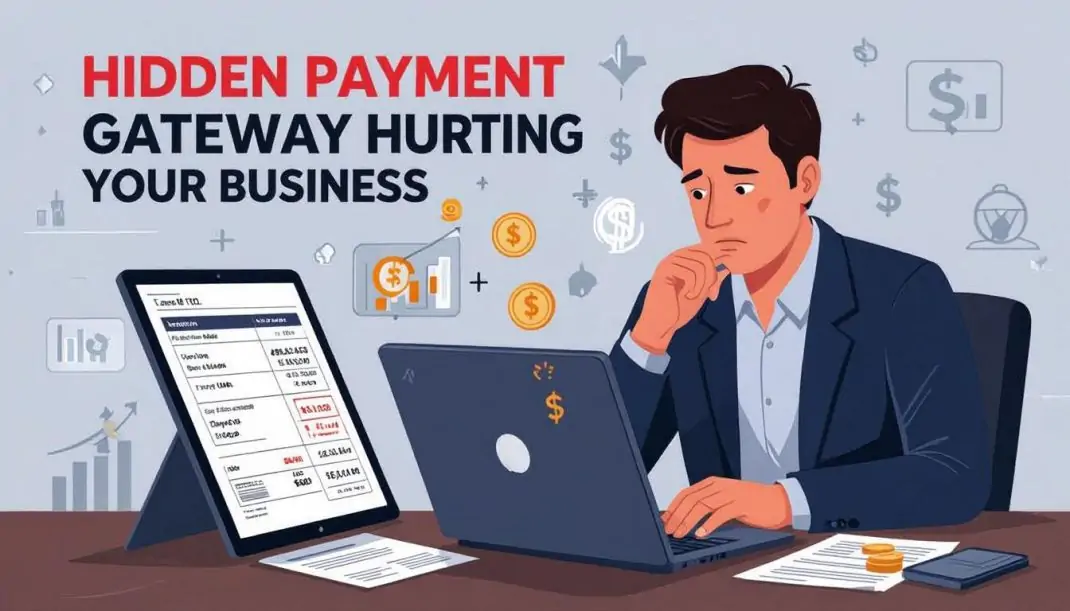
For merchants, the opportunity is enormous. Customers expect seamless digital options at every checkout. However, behind the convenience lies a less obvious challenge: managing the actual cost of these transactions. Hidden components within payment gateway charges can quietly undermine profitability, making it critical for businesses to look beyond headline rates.
Components of payment gateway fees
At the core of every digital payment is the MDR. This is a percentage of the amount payable. It is not all in the hand of just a few players. The bank that issued the customer’s card, not surprisingly, ‘manages’ the customer’s money; while a different bank on the acquiring side processes settlement of transactions – routing information (‘transaction data’) to be specific comes from the networks out to that issuer so they understand what is intended for them; and a gateway provides you with technology to facilitate such actions.
On paper, MDR looks simple. Merchants might have 2 or 3% taken off each transaction and think that’s the whole price. The reality is more complex. There may additional FREEs lurking beneath the surface - for example to address certain payment modes, settlement clocks, and risk management procedures. Disguised behind the curtain, these hidden fees are easy to overlook.
Common hidden costs businesses face
Hidden costs surface in many different ways – sometimes, it turns out, merchants least expect.. The most typical are some of the following:
Higher rates for some modes of payments: EMI transactions or reward point redemption may have a higher MDR when compared to regular debit card transactions
Settlement fees: Certain gateways will charge extra for quicker settlement cycles or when payments are reconciled in real time
International surcharges fees: Conversion fees and a higher percent due to the added layer of complexity involved for cross-border transactions
Fee for Reversal and chargeback processing: It isn’t always free to reverse or resolve a dispute from a transaction. Many providers bill these separately
Individually, these disguised charges may not be huge. But over thousands of transactions, they add up to enough to cut into margins.
How hidden charges affect profitability
The impact of”hidden costs” can be slow but potent. A small surcharge on each payment can add up to lakhs of rupees over a quarter is the answer. For franchised outlets, this wastage maybe overlooked until it becomes a problem worth dealing with.
Not even small merchants are safe. Say a little boutique retailer dealing with hundreds of transactions in a day; it could be losing out on 1% of revenue every month, but not know what’s happening. In those increasingly competitive markets, characterized by low margins, that can be the thing which makes all the difference between sustainable growth and financial difficulties. There's a reason that secret fees for payment gateway are as much of a priority as advertising expenses and stock control.
The importance of transparency
Hidden charges are best combatted with transparency. A decent payment gateway will also have transparent invoicing, detailed dashboards and itemised breakdowns of every fee. This enables businesses to discover which forms of payment cost more, where settlement timing adds expense and how refunds will impact their bottom line.
Transparency helps businesses make the right decisions. They could also push customers to make payments utilizing lower-fee payment formats, change settlement schedules or renegotiate with suppliers. Transparency turns charges from an unchangeable mystery to a manageable cost of doing business.
Balancing cost with value-added services
Not all high charges are bad for business, it should be noted. Some services packed into payment gateway fees provide true value. Cost might creep up as fraud prevention systems, affordability features and the cutting-edge mobile-first design are considered. Adopting a data-driven approach can have significant benefits both in terms of sales and service but, additonally, it can also enhance customer experience, reduce risk and boost conversions.
Consider an electronics retailer. They are potentially willing to pay a higher MDR per transaction as they provide affordability instruments at the point of sale. But this feature also may help get customers to buy more valuable items, increasing average order size. That extra cost is then a growth incentive, not a drag. The trick is to weigh each charge in terms of how it affects sales and customer confidence.
The role of regulation
In India, there has been regulatory focus on MDR. Some categories of transactions — particularly small-ticket debit card and UPI payments — have restrictions or waivers. This has eased the burden on many merchants, but it also shows that everyone must remain vigilant. They can change the policy, and what is free today could be subject to a fee tomorrow.
For instance, it has been proposed that MDR may need to be levied on high-ticket UPI payments to make payment networks sustainable. This adds up to ????: WaKe Up CaLL S What this means is that merchants need to stay vigilant for their providers’ fee schedule and the broader regulatory landscape. Both understanding make businesses plan better, and prevent surprises.
Customer trust and hidden costs
The problem with hidden fees isn’t just that they eat into margins. They can also erode customer confidence. Customers can be very annoyed with settlement lags from hidden fees or surprise deductions on refunds. If often-good-enough isn’t maintained or further developed, such experiences could potentially lead them to competitors that offer easier checkout and payment.
Through the establishment of transparent and equitable pricing structures, merchants can not only safeguard their earnings but also their image. Customers who experience a sense of security and respect at the point-of-sale are many times more likely to come back.
Uncovering the real cost
India’s digital payments market is booming, and so is the hunt for ways to curb costs. Hidden portions of payment gateway fees can quietly erode income and stifle growth if you aren’t paying attention.
Inequality: To find a way to tackle infosavage inequality, we should demand transparency, analyse coverage and correlate costs with value. Features that add security, increase affordability or make mobile transactions easier could also lead to slightly higher fees. What counts is simply knowing who got what and whether it was worth the cost.
For companies looking for growth without ambiguity, payment gateways like Pine Labs Online mix state-of-the-art tech with clearcut pricing. They help businesses get a clear view into the cost of every transaction while providing assurances that they will be able to scale their business securely in India’s fast-moving digital economy.