
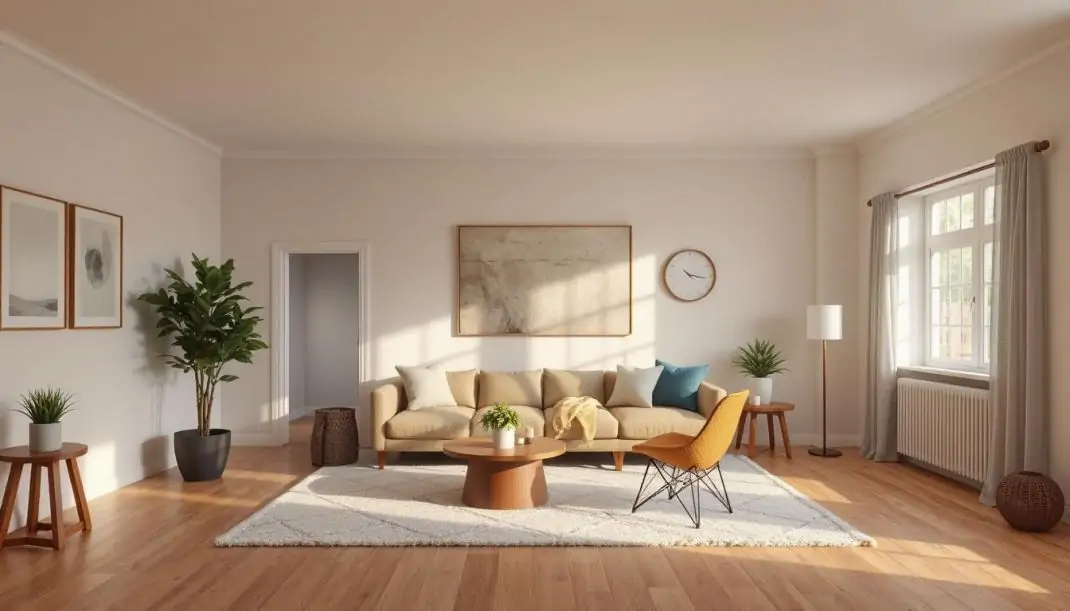
Designing a room that feels spacious, airy, and comfortable can be surprisingly tricky. Even with the right furniture, the wrong placement can instantly shrink a room and make it feel cramped. Whether you’re moving into a new home, refreshing your layout, or shopping for new pieces from RC Willey, understanding common furniture-placement mistakes can help you transform tight or awkward spaces into rooms that feel open and inviting.
Below are some of the most frequent mistakes people make—and how to fix them for a more polished, visually expansive home.
1. Pushing All Furniture Against the Walls
Many people assume that placing every piece of furniture directly against the walls creates more room in the middle. While this can work in large, open spaces, it often has the opposite effect in smaller rooms. When everything is pushed outward, the layout can feel scattered and disconnected.
Instead, consider “floating” furniture. Pull your sofa a few inches away from the wall, or angle a chair slightly inward. This creates depth, improves traffic flow, and gives the illusion of a larger room. A well-placed rug can help anchor the floating arrangement and tie everything together.
2. Using Oversized Furniture in Tight Spaces
A bulky sectional or oversized entertainment center may look stunning in a showroom, but in a smaller room, it can quickly overwhelm the space. Large pieces restrict movement, block sightlines, and make the room feel cluttered—even if there aren’t many items inside.
Before purchasing new home furniture, measure both your room and the potential pieces to ensure proper scale. RC Willey offers a wide range of furniture sizes, including apartment-friendly options that maintain comfort without crowding your space.
3. Neglecting Corners
The corners are some of the most wasted spaces in homes. Left empty, they can leave your layout feeling unfinished; stuffed with oversize, however, the room’s scale can take a nosedive.
The key is intentional use. "Establish a seating area where the light and the bookshelf cup the corner," Mahoney says. This pulls the eye out and enlarges the visual dimensions of the room.
4. Blocking Natural Light
Natural light is one of the most wonderful resources for creating the impression of a larger room. When oversized furniture (sofas, cabinets, headboards) are placed in front of windows, it blocks out light and the space feels smaller, more crowded.
Choose low-profile seating near windows, or keep items taller items on the opposite sides of walls. By leaving sightlines open and allowing the light to pass through, you immediately make the space feel brighter and more open.
5. Ignoring Traffic Flow
Cramped paths can make a space feel closed and clunky. If you have to constantly maneuver around a small, crowded room, it might be time to consider removing a looping coffee table or stuffing oversized furniture inside an undersize space.
Opt for clean lines that enable you to pass freely through the space. Where we can, then, give at least 30 to 36 inches of walkway. This on-trend change can make a huge impact in the feel of the entire space — and you don’t even have to buy anything new.
6. Small fry instead of a big fish
An oversize piece of furniture can crowd your room, just as too many miniatures, no matter how charming, can be stifling. A mishmash of snack-sized tables, chairs and knick knacks which compete for attention making the room feel hosting and congested.
A balanced mix works best. Pick your favorite statement pieces from RC Willey and only accessorize with a little for the best look. This strategy does add a bit of personality, but doesn't hog the room.
7. Poor Rug Placement or Sizing
The carpeting in a room has a major impact. A too-small rug can make the entire space feel disjointed, so if you have a large room with multiple furniture groupings, go for a large unifying — or slightly oversize — rug that allows all of your seating areas to touch it.
As a general rule, at least the front legs of the furniture should be on the rug. This grounds the design and visually brings it all together.
8. Forgetting Vertical Space
When all your furniture and decor is below eye level, the room can seem a bit flat and squished. Vertical design opportunities get forgotten by many but can fool the eye into thinking there is more height and space than reality dictates.
Tall bookshelves, vertical art installations and floor-to-ceiling curtains guide the eye up. This simple trick gives a feeling of expansiveness to even small rooms.
9. Choosing the Wrong Focal Point
All rooms must have a focal point, something that grabs our attention the moment we enter and allows us to orient ourselves in time and space. Furniture won’t look right unless you incorporate that focal point, and the room can end up feeling scattered or even a bit confusing.
The focal point could vary by room — a fireplace, a large window, a TV or a striking piece of art. Design your seating and storage around that main feature so the space is in harmony and has a direction.
10. Overloading the Walls with Décor
The walls do need some personality, but too much stuff crowded on them visually shrunken a room. When there is no more space on the wall, the room loses its visual breathing room.
Consider grouping artwork in a curated gallery wall, or putting up fewer pieces that are more statement making than if you had many small ones. Not only does this add visual interest, it also won’t dominate the room.
11. Ignoring Symmetry and Balance
Furniture that feels like it’s off-kilter or unbalanced can make a room appear smaller and out of proportion. Balance doesn’t require perfect symmetry — though some glance of thought is mandatory.
If one side of a room has a giant sofa and over-scale objects and the other only has one small chair, the visual weight may be off. Evenly space furniture and decor throughout the room so that everything feels like it was placed with intent, and is in concert with the rest of the pieces in the space.
12. Picking the Wrong Color Palette for Furniture Positioning
Not necessarily a placement issue but the color can affect how you see placement. Black or dark bulky pieces of furniture can make a room appear cramped if they are positioned in high traffic or central areas. Lighter-toned or medium-wood pieces will make the room feel more airy.
RC Willey carries a variety of finishes that fit well in smaller or medium spaces which means you can have design as well as the room to do what you need.
Final Thoughts
Designing a living room that feels fresh and original is all about choosing the right, thoughtful furniture placement. With a few tweaks — refreshing traffic patterns, blocking the right-sized furniture, shielding eyes from clutter and maximizing light — you can feel the delusions fall away.
When you’re ready to update or redesign your space, RC Willey has endless options to help you avoid these common mistakes and find pieces that enhance the size and comfort of any room. Whether you’re refreshing your layout or replacing old items with new home furniture, the right choices can transform your space into something that feels bigger, brighter, and more functional than ever.