
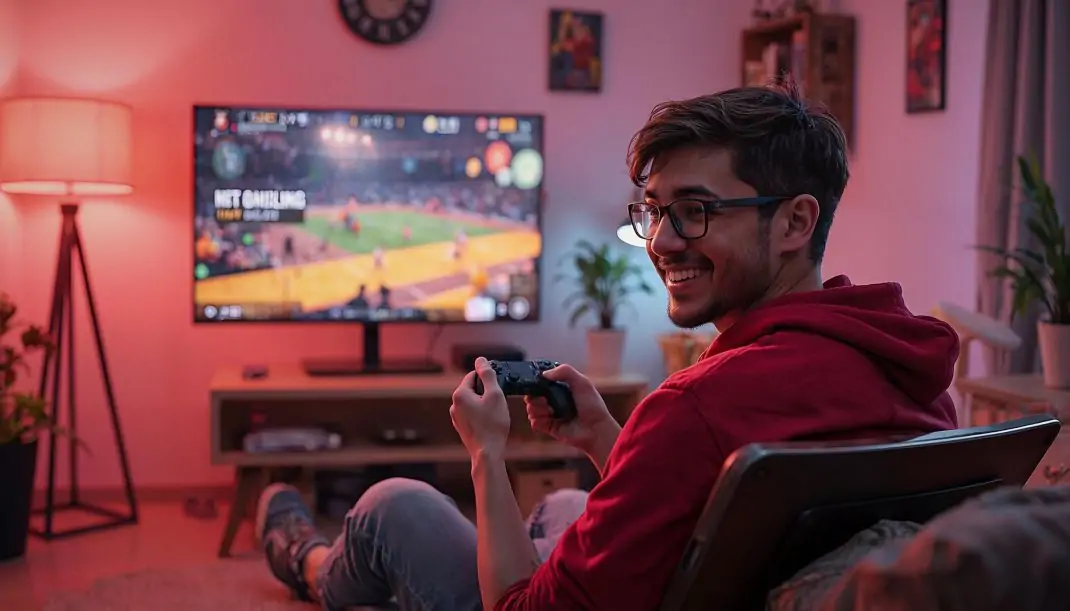
Esports broadcasts move fast, and score bugs can look like a foreign language. Casual fans do not need draft matrices or heat maps to enjoy great games. A simple routine – clean schedules, a few visual cues, and the right mix of live streams and short replays – makes competitive play easy to follow on busy days.
The goal is not to learn a new sport from scratch. It is to build a viewing lane that keeps focus on the big beats: momentum swings, map control, clutch saves, and how teams trade resources for tempo. With those anchors in place, a match becomes a story that reads clearly on a phone, tablet, or TV.
Pick a viewing lane – live, VOD, or highlights
Viewing gets simpler when nights have a lane. Some days suit live finals. Others call for a condensed recap between errands. Decide the lane first, then choose sources that match it. When schedules are crowded, combine esports with traditional fixtures by checking a clean live slate on this website, slotting the main broadcast around other commitments, then saving side matches for VOD.
Live streams reward attention and atmosphere – desk segments set expectations, and crowd noise signals momentum before the casters say it. VODs are best for learning a team’s shape without spoilers. Short highlights keep up with meta trends in minutes. Rotating these three options prevents fatigue and keeps the hobby light.
What to watch for instead of deep stats
Stats can come later. First, train the eye on a few cues that show who is winning the next thirty seconds.
-
Set up vs execute – note when a team gathers tools, then when they spend them. The gap between those moments predicts fights.
-
Space ownership – look at how much safe ground a team holds, not just who has the ball or objective.
-
Cool-down timers – even without numbers, casters signal when key abilities are down. Expect retreats or traps.
-
Objective trade logic – teams often give up one goal to secure a bigger one later. If the desk nods at a “trade,” the scoreboard might lag behind smart strategy.
-
Body language – grouped tightly means fear of picks; spread wide means confidence and vision control.
-
Desk phrases – “scaling,” “spike,” and “win condition” are plain-English terms for when power peaks.
These cues work across genres – shooters, MOBAs, sports sims – and make matches readable without a stat sheet.
Streams, VODs, and shorts – when each fits the day
A busy week becomes manageable by matching format to time. Live streams suit weekends or nights with one clear headliner. Put the main feed on TV and a low-brightness second screen nearby for chat or a clean scoreboard. VODs shine on commutes – one map per ride, captions on, audio steady. Shorts carry key meta shifts – a new composition, a surprising pocket pick – in under a minute. Saving a handful each week builds a quick library that explains choices casters reference on the desk.
Quality settings help more than tuning guides admit. Lock video one step below maximum on cellular to avoid stutters. Turn off motion smoothing on TVs so aim and camera cuts stay crisp. Keep a natural color profile – neon modes look punchy but hide edges that guide the eye to crosshairs and objectives.
Spoiler control and notifications that help
Spoilers push casual viewers away. A calm setup solves most of it. Turn off autoplay previews on social apps. Mute tournament hashtags during live windows. Set a “match lane” of alerts for start times, map picks, and final results only – everything else goes to a daily summary. If a late night is unavoidable, switch to VOD mode and hide lock-screen previews so push banners do not spoil a clutch play while the recap is loading.
Group chats can stay fun with one rule – share clips after a map ends, not during the final round. A single scoreboard bot keeps friends synced without flooding phones.
Learn teams through arcs, not encyclopedias
Casual fans connect faster when teams feel like characters. Identify three traits per team and watch how those traits survive pressure. For a speed-first squad, note whether early leads convert into objective control or stall against patient opponents. For a defensive team, track how stall tactics turn into surprise counterpunches. For a mixed team, check whether substitutions change tempo or only patch weaknesses.
Casters often frame these arcs at the start of a series. Save those pregame lines. They become a shortcut the next time the same rosters meet. Over a month, habits emerge – which maps trigger confidence, which opponents bait mistakes, which players anchor morale on bad days. That is a story, not stats, and it sticks.
Community without overwhelm
Community makes esports sticky when noise stays low. Pick two creators – one for breakdowns in plain English, one for postgame interviews – and follow only those channels for a month. Add a single event server for schedule pings and VOD links. Resist the pull to join every space. Fewer sources reduce contradictions and keep the hobby light.
If curiosity grows, step deeper at an easy pace. Learn one mechanic per week – economy in a shooter, vision in a MOBA, rotations in a sports sim – and watch how that concept shows up in different series. Knowledge compounds. There is no need to sprint.
Keep it light on devices and data
Phones and laptops do better with small habits than with upgrades. Drop brightness one notch to avoid heat. Close maps, cameras, and background sync apps before a final. Use wired Ethernet for TVs if possible; otherwise, sit within one room of the router on 5 GHz. On the road, strong cellular often beats crowded public Wi-Fi. Avoid charging while streaming – warm devices stutter. If power is needed, top up during a desk segment with a slow charger and let the screen rest for two minutes.
Captions help when the sound must stay low. Medium-weight text with a soft outline keeps names and calls readable without pushing brightness. For shorts, turn on auto-captions and slow playback to 0.75× on tight tactical clips – the extra beat reveals setups that flash by at full speed.
A simple finish that builds a habit
Casual viewing sticks when the loop is short – choose one live match for atmosphere, one VOD for clarity, and a handful of shorts for meta flavor. Keep notifications quiet and spoilers out. Learn teams as arcs and players as roles rather than as spreadsheets. When schedules overlap sports, slot esports around other fixtures with a quick scan from this website and return without fear of missing the big beats.
Esports rewards rhythm more than encyclopedic knowledge. With a clear lane, a few visual cues, and formats that fit the day, matches feel exciting instead of dense – easy to follow now, and easier to love next week.