
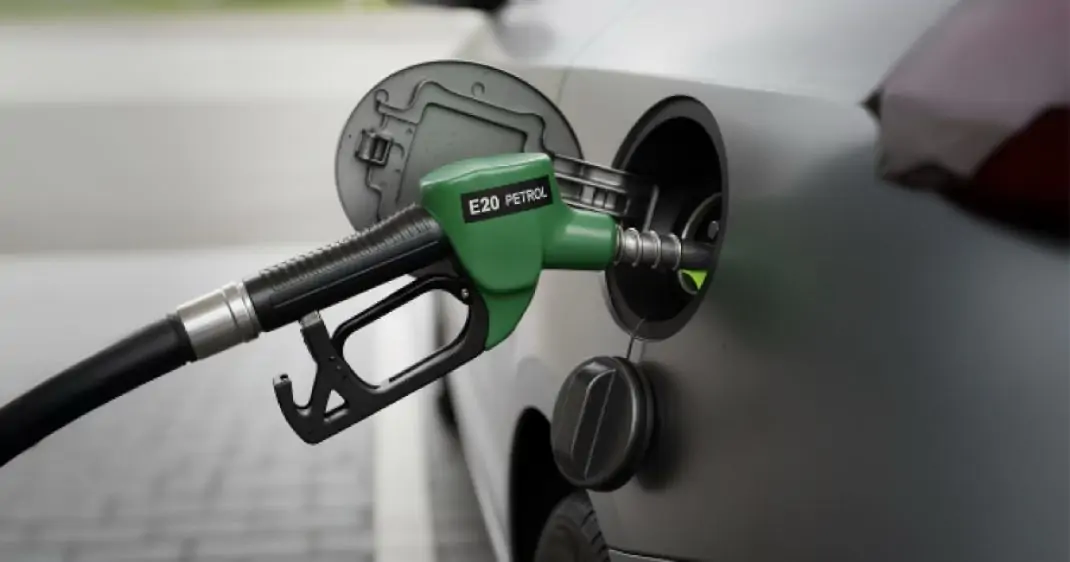
E20 Fuel in India – What It Means for Your Car and Engine
India’s fuel landscape is undergoing a massive transformation. With the government’s push for E20 fuel—petrol blended with 20% ethanol—the country is moving closer to its clean energy goals. But what exactly is ethanol, and how does it impact your car and the environment? Let’s dive deep into the world of bioethanol, its production, its role in fuel, and what it means for the future of driving in India.
What is bioethanol and why it matters for cleaner fuels
Bioethanol is a renewable form of ethanol made primarily from plant-based sources like sugarcane, corn, and agricultural waste. Unlike fossil fuels, which release carbon that has been locked away for millions of years, bioethanol is part of a shorter carbon cycle. The plants used to make it absorb carbon dioxide during their growth, which helps balance out emissions during combustion.
The result? A fuel that burns cleaner, produces fewer harmful gases, and helps reduce dependence on non-renewable crude oil. For a country like India, which imports a large portion of its oil, bioethanol offers not just an environmental advantage but also an economic one.
How bioethanol is produced from agricultural waste
The process of bioethanol production is both fascinating and sustainable. Instead of relying solely on food crops, modern techniques focus on converting agricultural waste—such as rice husk, sugarcane bagasse, and corn stover—into ethanol.
Here’s how it works:
- Pretreatment: The waste material is first broken down to make cellulose accessible.
- Fermentation: Enzymes convert the sugars present in the material into ethanol through fermentation.
- Distillation and purification: The fermented mixture is then distilled to separate ethanol from water and impurities, producing a fuel-grade bioethanol.
This not only reduces agricultural waste but also provides farmers with additional income streams. It’s a true win-win for both the environment and the economy.
The role of bioethanol as a fuel additive
Bioethanol isn’t just a replacement for petrol—it’s a fuel additive that enhances performance. When blended with petrol, ethanol acts as an octane booster, helping engines run more efficiently. Higher octane levels prevent engine knocking and allow for smoother combustion, leading to better overall performance.
In India, ethanol blending in petrol has been part of the government’s biofuel policy for years, starting with E10 (10% ethanol blend) and now advancing to E20. The introduction of E20 aims to reduce carbon emissions, cut import bills, and promote energy independence.
Performance and environmental benefits of ethanol blends
The benefits of ethanol in fuel go beyond just eco-friendliness. Drivers can experience improved acceleration, smoother idling, and cleaner engine operation due to ethanol’s high oxygen content. This helps in more complete combustion and reduces carbon monoxide emissions.
From an environmental perspective, switching from bioethanol vs gasoline reduces greenhouse gas emissions by up to 30%. Moreover, ethanol-blended fuels leave behind fewer residues and pollutants, contributing to better air quality.
For modern engines designed to handle E20 fuel, the results are promising. They run cleaner, maintain performance, and require less maintenance over time—especially when supported with high-quality fuel additives like Milex Fuel Additives, which ensure optimal fuel system health.
Challenges in using bioethanol as a fuel additive
Despite its many benefits, bioethanol does come with challenges. Ethanol attracts moisture, which can lead to corrosion in metal fuel tanks and pipelines. It can also cause phase separation when stored for long periods, especially in humid conditions.
Vehicles not optimised for ethanol blends may experience slightly reduced mileage, as ethanol has a lower energy density than pure petrol. However, regular use of advanced fuel additives can counter these effects, keeping injectors clean and protecting the fuel system.
Global adoption of ethanol blends (E10, E20, E85)
Globally, the shift towards ethanol blends has been remarkable. Countries like Brazil and the United States have been blending ethanol in petrol for decades, with blends like E85 (85% ethanol) commonly available. In Europe, E10 is standard, offering a balance between performance and sustainability.
India’s move towards E10 and E20 fuel aligns with these global trends. By 2025, the government aims for nationwide E20 adoption—an ambitious yet achievable step that will bring both environmental and economic benefits.
The future of bioethanol in the fuel additive industry
The future looks bright for bioethanol and its role in the fuel additive industry. With growing research and advancements in bioethanol production technology, the fuel is becoming more efficient and affordable. The integration of bioethanol with high-performance additives—like those from Milex—will further enhance engine compatibility, corrosion resistance, and fuel stability.
As automakers innovate with ethanol-ready engines and refineries upgrade their blending capabilities, bioethanol will continue to redefine how we think about sustainable mobility.
Conclusion: toward a sustainable fuel future
The shift to E20 isn’t just a policy move—it’s a step toward cleaner air, reduced oil dependency, and a sustainable automotive future. Bioethanol symbolises progress, blending innovation with responsibility. And with reliable partners like Milex Fuel Additives, you can ensure your engine gets the best performance, protection, and longevity—even in the age of ethanol-blended fuels.
Choose sustainability. Choose performance. Choose Milex Fuel Additives.
FAQs
How does bioethanol act as a fuel additive?
Bioethanol increases the octane rating of fuel, ensuring smoother combustion and reduced knocking. It also helps lower carbon emissions during burning.
What percentage of ethanol is blended in Indian petrol?
As of 2025, Indian petrol is being blended with 20% ethanol under the E20 programme.
Can bioethanol improve vehicle performance?
Yes. Ethanol’s high oxygen content allows for better combustion, resulting in improved throttle response and reduced deposits.
Does bioethanol reduce emissions compared to pure petrol?
Absolutely. Bioethanol significantly lowers carbon monoxide, particulate matter, and greenhouse gas emissions compared to pure petrol.
What challenges exist in storing ethanol-blended fuel?
Ethanol attracts moisture, which can lead to corrosion and phase separation if stored improperly. Using additives like Milex helps prevent these issues and maintains fuel stability.
You may also read related blogs: