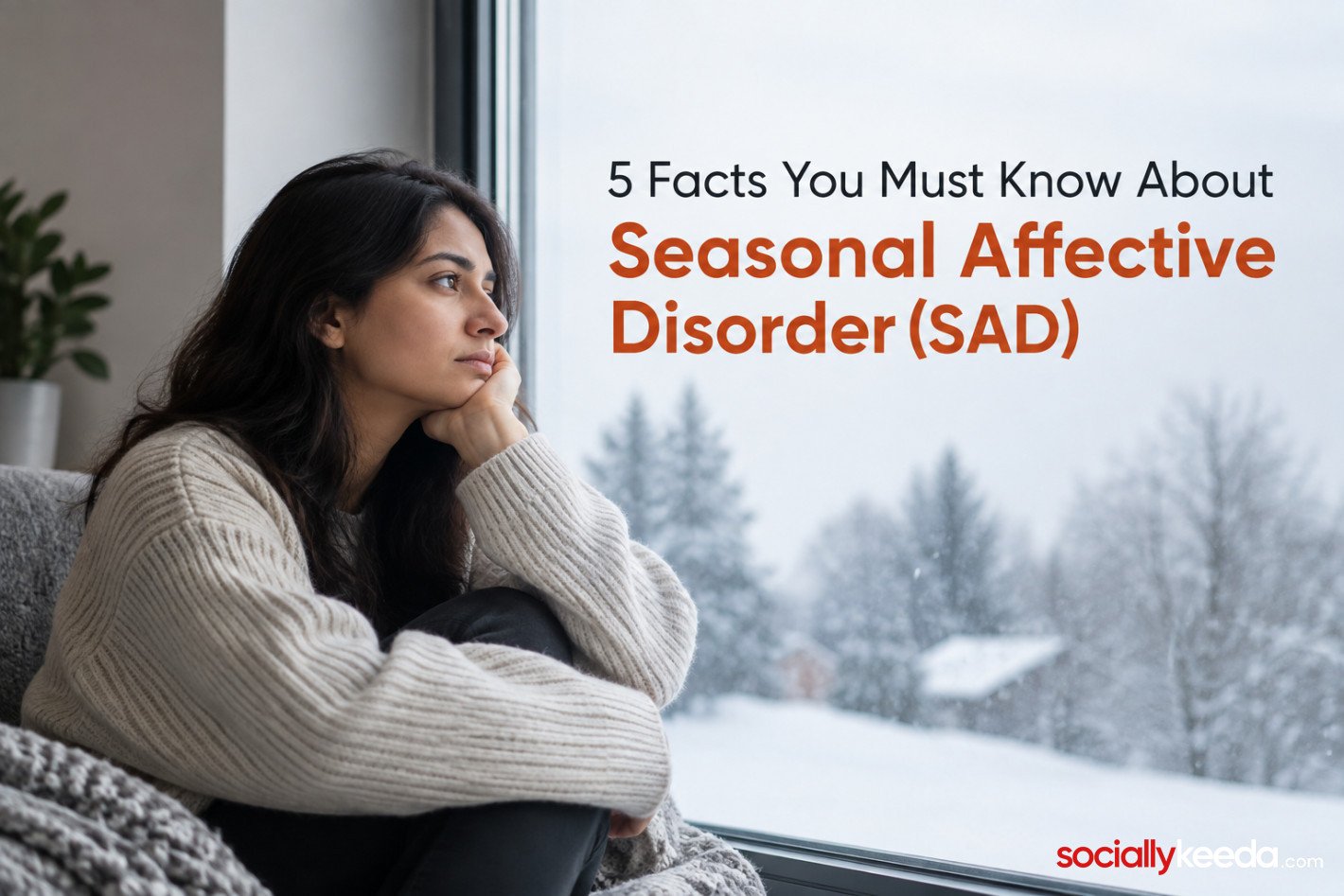
As the days become shorter in winter, some of us suffer from excessive fatigue, oversleepiness, and anxiety. Normally, this uneasiness goes away in a week or so. However, if it gets prolonged for a month, then it can be a health concern that needs serious attention. Maybe you are suffering from winter blues, otherwise known as Seasonal Affective Disorder (SAD).
SAD is a form of depression that occurs during the same season every year. The symptoms usually begin sometime during autumn and the depressive episodes extend throughout the winter months. Read on to learn a few facts about SAD...
Read also: 7 Best Pre-Workout Nutrition: What to Eat Before You Hit the Gym
5 Facts About Seasonal Affective Disorder
Below are the five facts you may not know about SAD:
1. Earth’s equator can influence the occurrence of SAD
SAD mostly affects people who live towards the extreme north or south of the earth’s equator. Though the actual cause of SAD is not known, it could be due to fewer daylight hours in these regions, especially during winter. It is also believed that reduced levels of hormones serotonin and melatonin in the brain may cause alterations in the biological clock leading to SAD.
2. SAD can be hereditary
If SAD runs in your family, there is a chance that you may have inherited it. When you feel a sudden lack of concentration, lethargy, loss of appetite, or interest in life, seek medical help immediately.
Read also: Turning Workplace Stress Into a Competitive Advantage
3. Women suffer more from SAD than men
Women are 40% more likely to develop winter depression than men. It could be because of hormonal fluctuations which are prominently seen in women. Also, women are more likely to look for psychiatric help while facing symptoms of depression, which is why more SAD cases are recorded among women.
4. SAD can make you crave for sugar
Mostly, people crave carbohydrates and sugar while feeling depressed. Sugar cravings due to SAD start during the fall and disappear in spring or summer. If your sugar cravings also change with the season and accordingly affect your mood, then this may be a sign of SAD. Consult a doctor.
Read also: 7 Things You Can Do To Prevent A Breast Cancer Relapse
5. SAD can also occur in summers
SAD symptoms such as loss of appetite, lethargy, and anxiety can also occur in the summer season. This is known as 'reverse SAD' or 'summer blues'. It is believed to be caused by sensitivity to heat or hormonal imbalances.
Takeaway
The happy news is that SAD can be treated with the help of light therapy, medications, psychotherapy, and prescribed supplementations. Also, you should not forget the magic of natural sunlight. Get out of your confined closed offices and living spaces; indulge in outdoor activities and exercise regularly. Stay healthy, stay happy!